Broken, but Beautiful
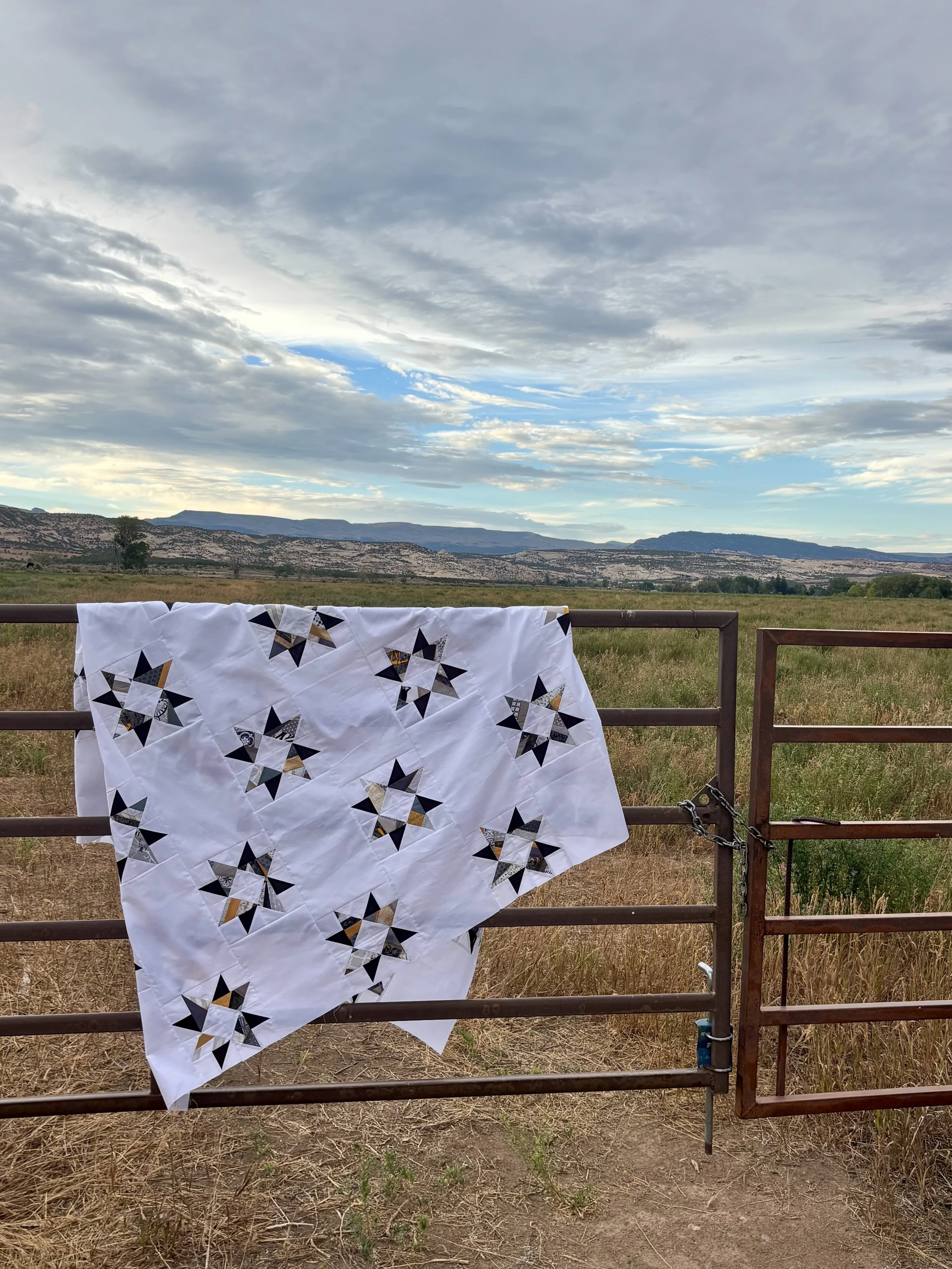
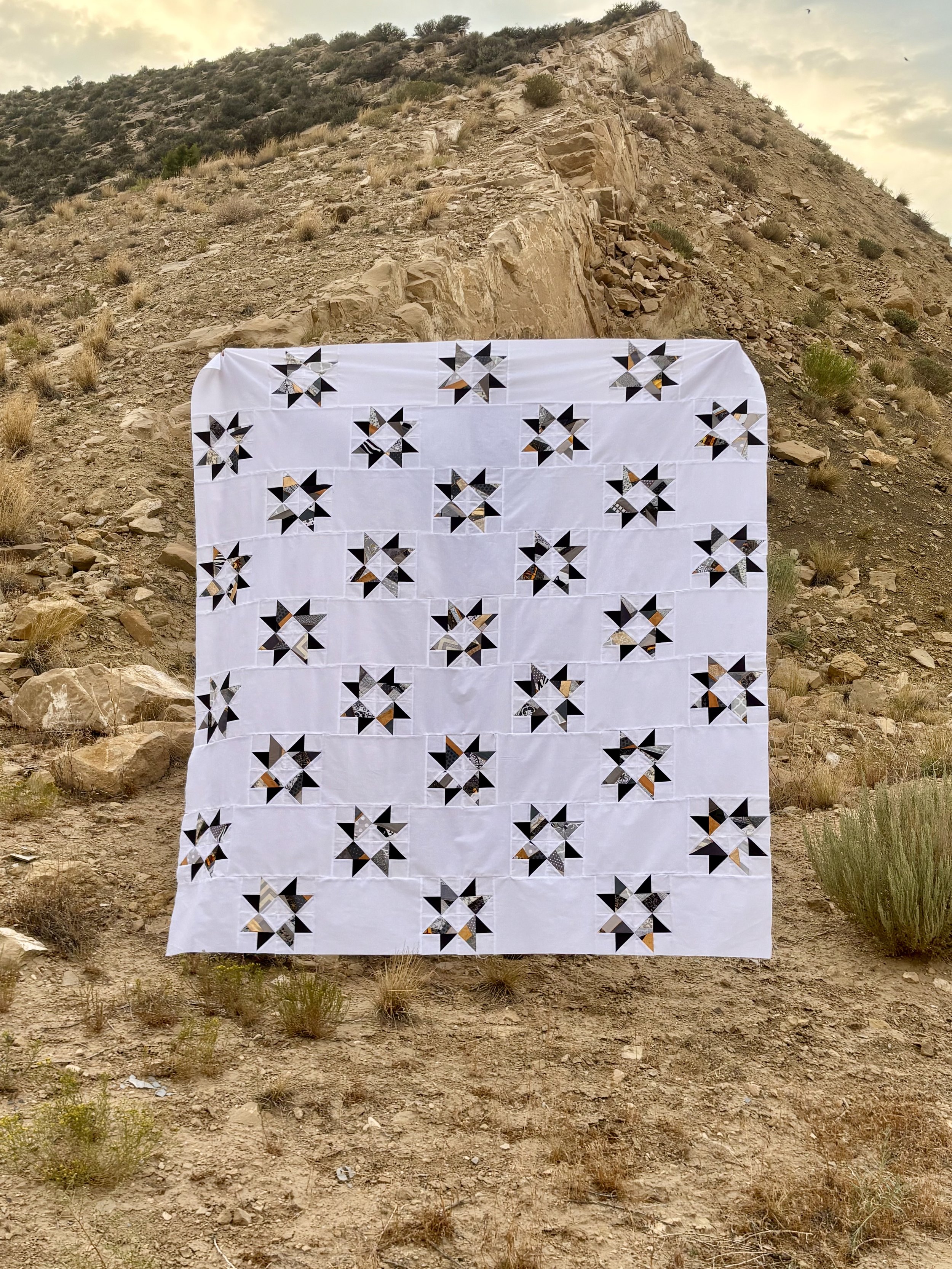
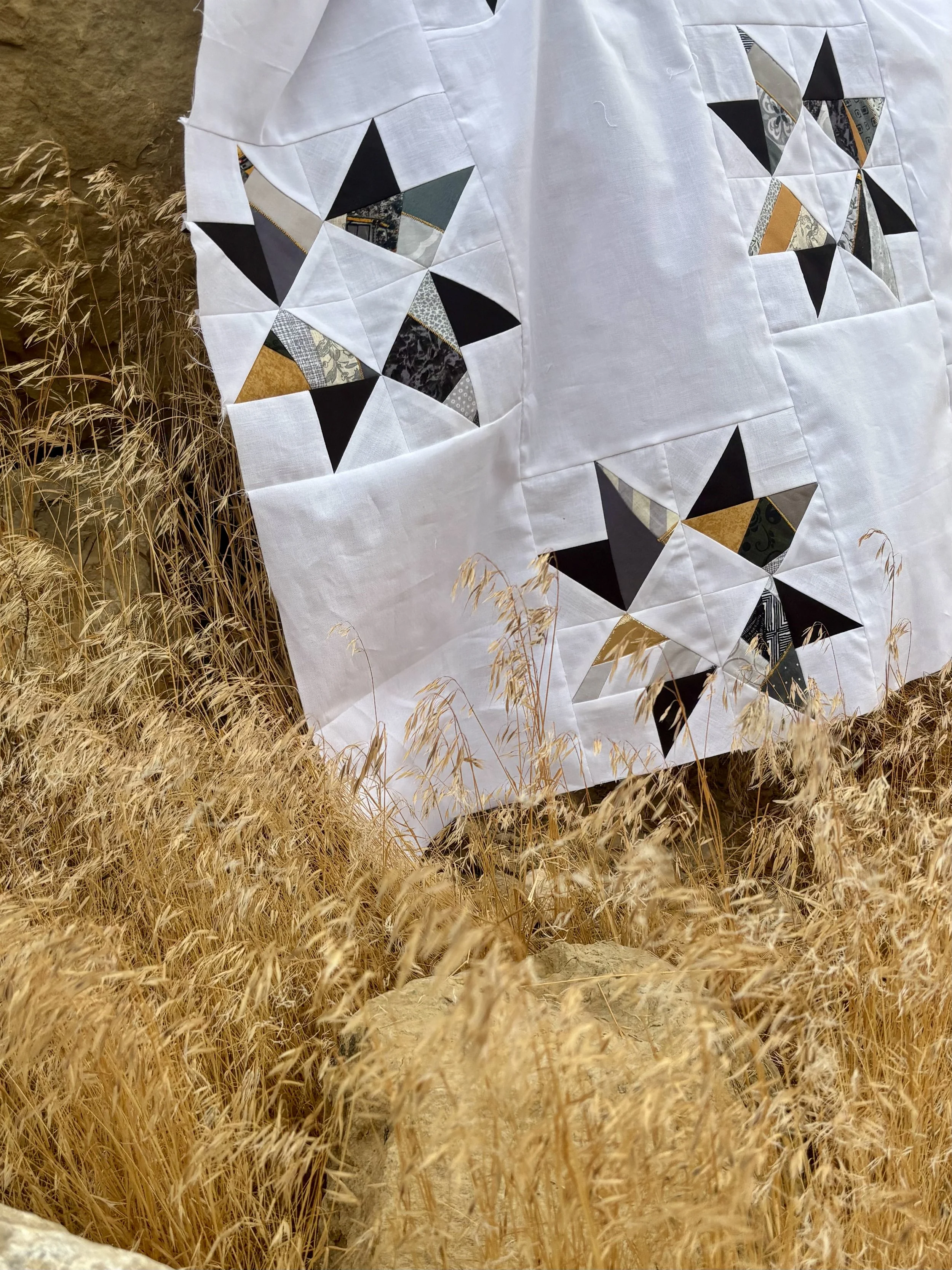
A couple of years ago, I had the opportunity to visit Japan with my sisters-in-law. As a birthday gift, my sister-in-law, Em, surprised me with a Kintsugi class where we learned about the history of the art form and even got to try it ourselves. By the end of the class, I had a whole new appreciation for the beauty and intentionality behind Kintsugi. Oh my goodness!
The process itself is fascinating. Japanese caretakers plant a specific type of tree and patiently wait about ten years for it to mature. Once it's ready, they harvest the sap, yielding only about a cup before the tree is cut down and replanted. That alone seemed incredible to me.
From there, the sap is cured by continuously stirring it in the warmth of the sun over the course of several months. As it transforms, it changes from clear to yellow, yellow to a rusty brown, and finally to a deep, rich red. Along the way, the sticky sap becomes a remarkably strong adhesive.
That adhesive is then used to carefully piece broken pottery back together. After the repairs have cured, the pottery is fired in a kiln for a day or two. Then comes my favorite part—it’s magic! Fine powdered gold is gently brushed into the adhesive and polished with a soft cotton ball until the repaired golden cracks shine.
Em and I each had the chance to try a small portion of the process ourselves. With my art background—especially painting—it felt surprisingly natural to carefully brush the gold powder into the adhesive. One of the instructors even stopped by to see if I needed help, but I was happily in my element. I finished fairly quickly and honestly wished there had been more to do! Here's the little cup where I got to experience Kintsugi firsthand.
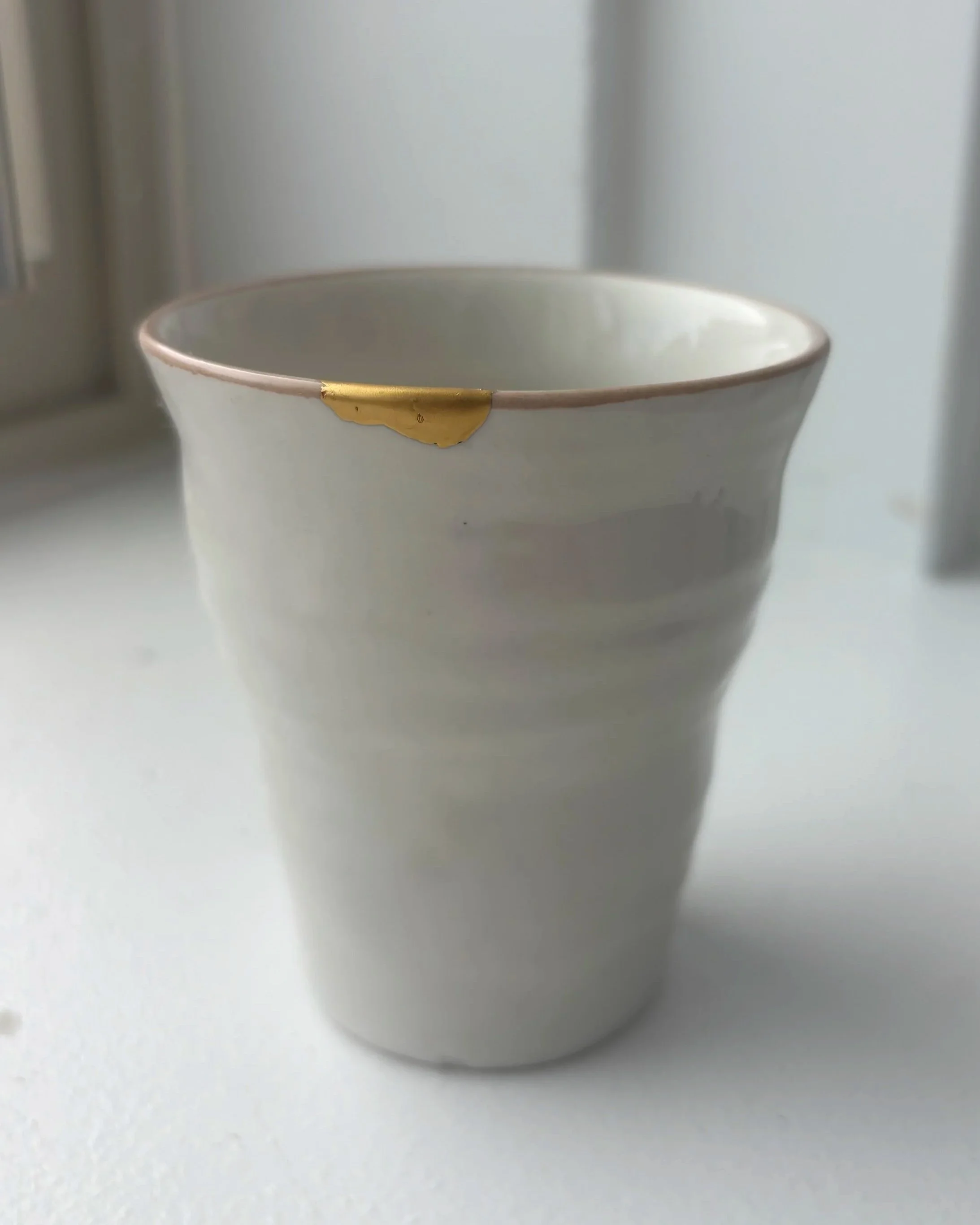
Back here in the States, the closest alternative I have found is to use a food grade resin mixed with gold powder. It's admittedly a bit messier than the traditional method, but when done well, it creates a strong repair. I also learned that if you make a mistake, denatured alcohol quickly becomes your best friend—especially if you accidentally put too much in one spot or another... I didn’t do that, did I?
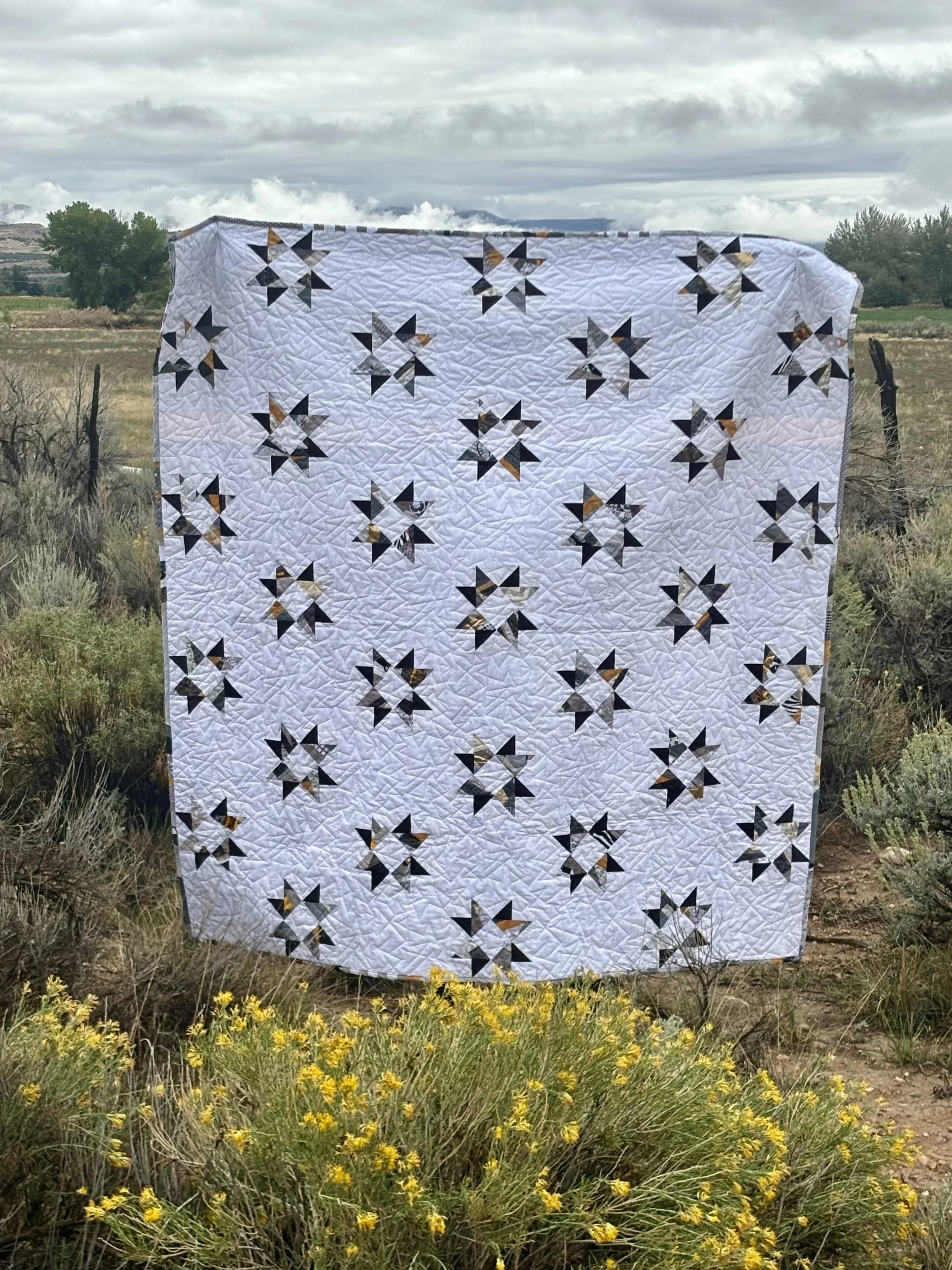
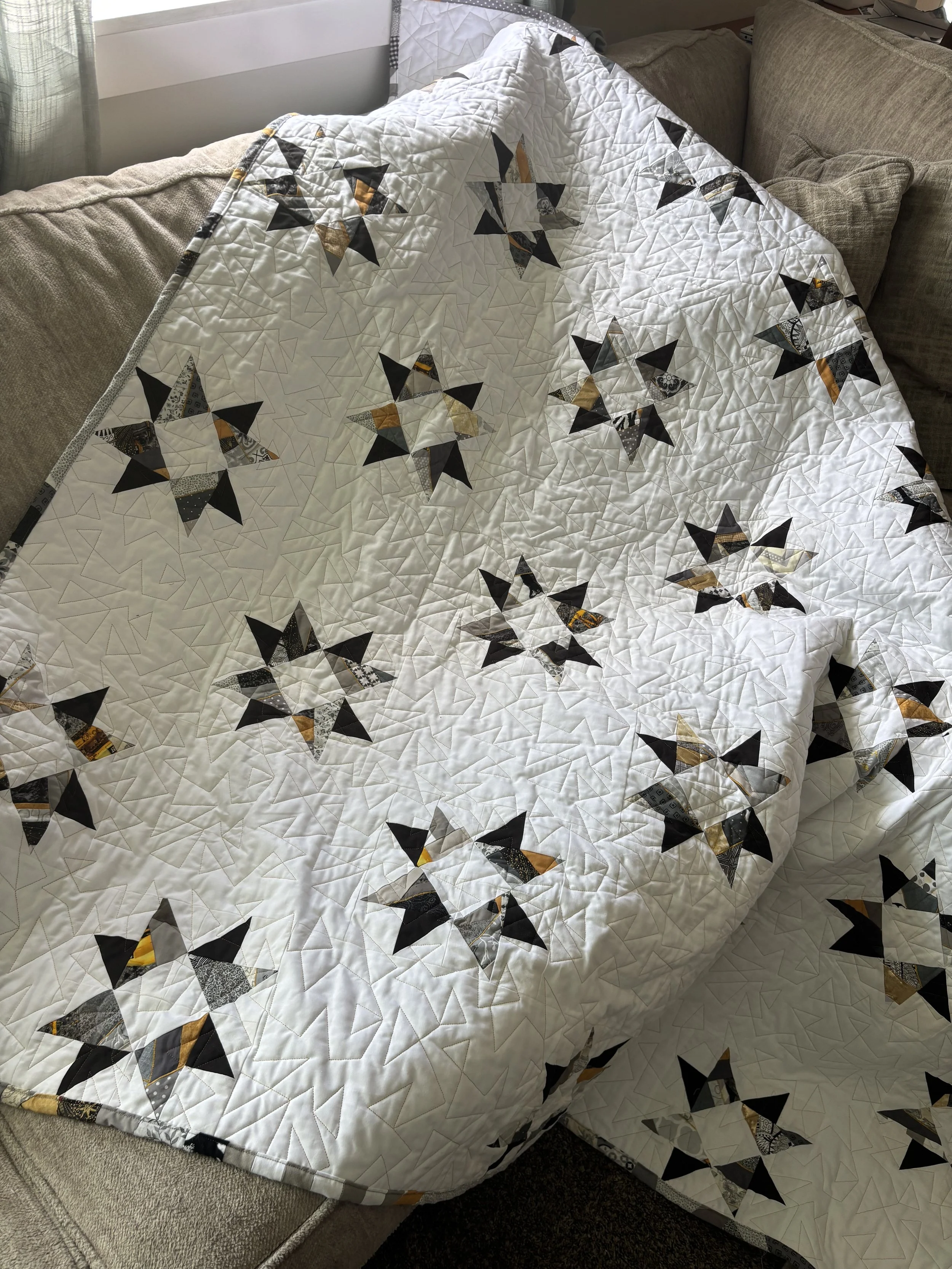
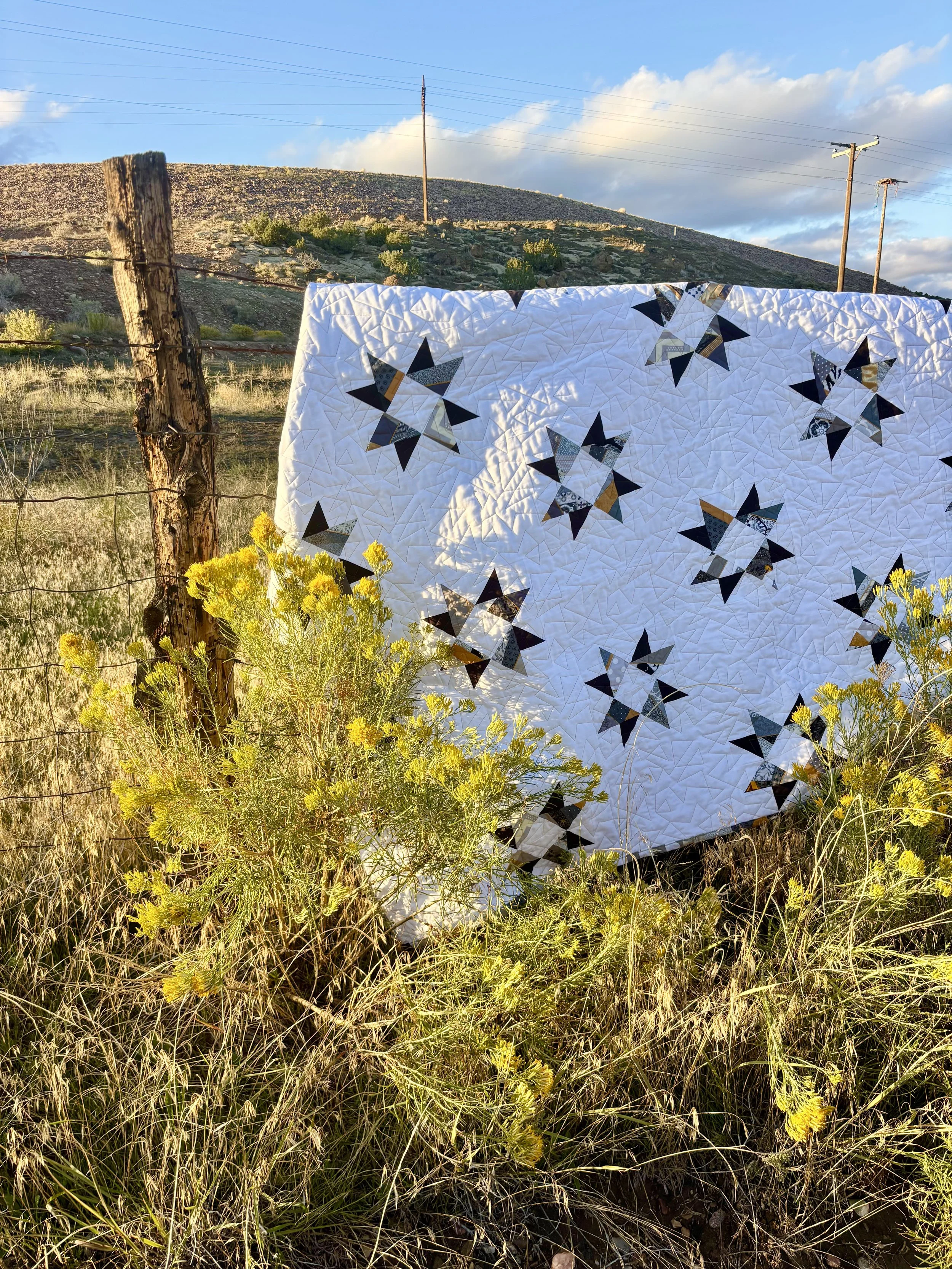
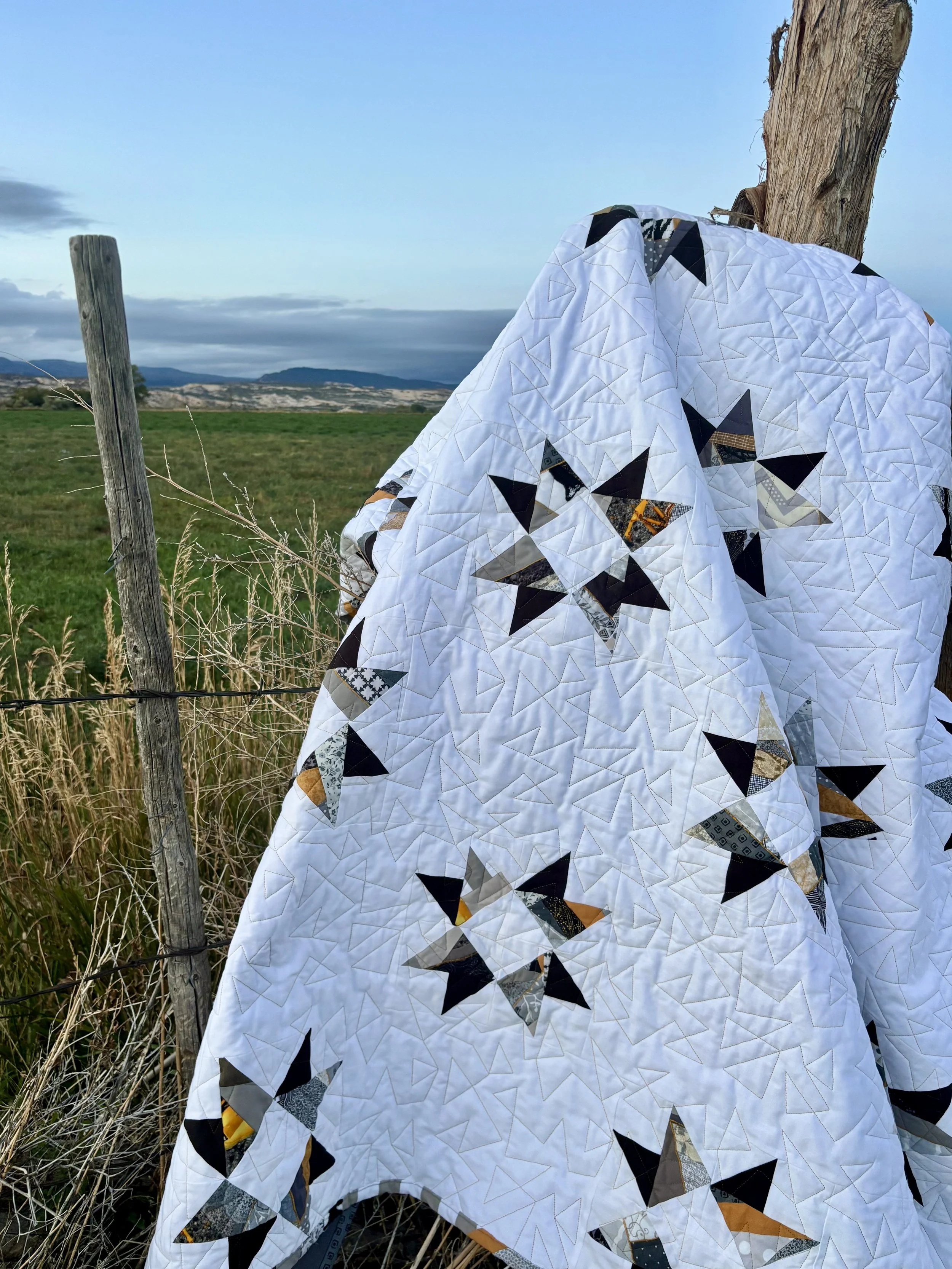
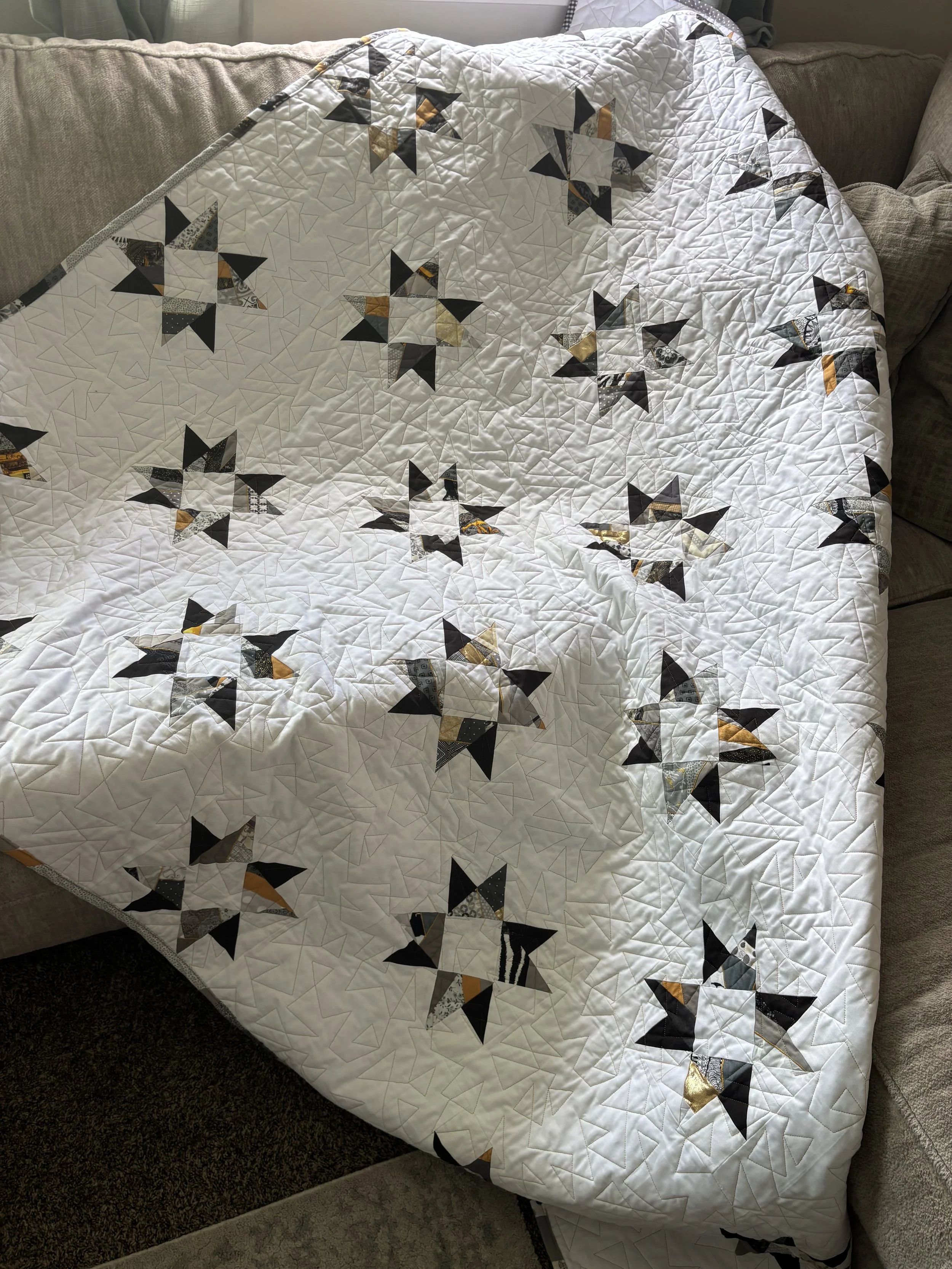
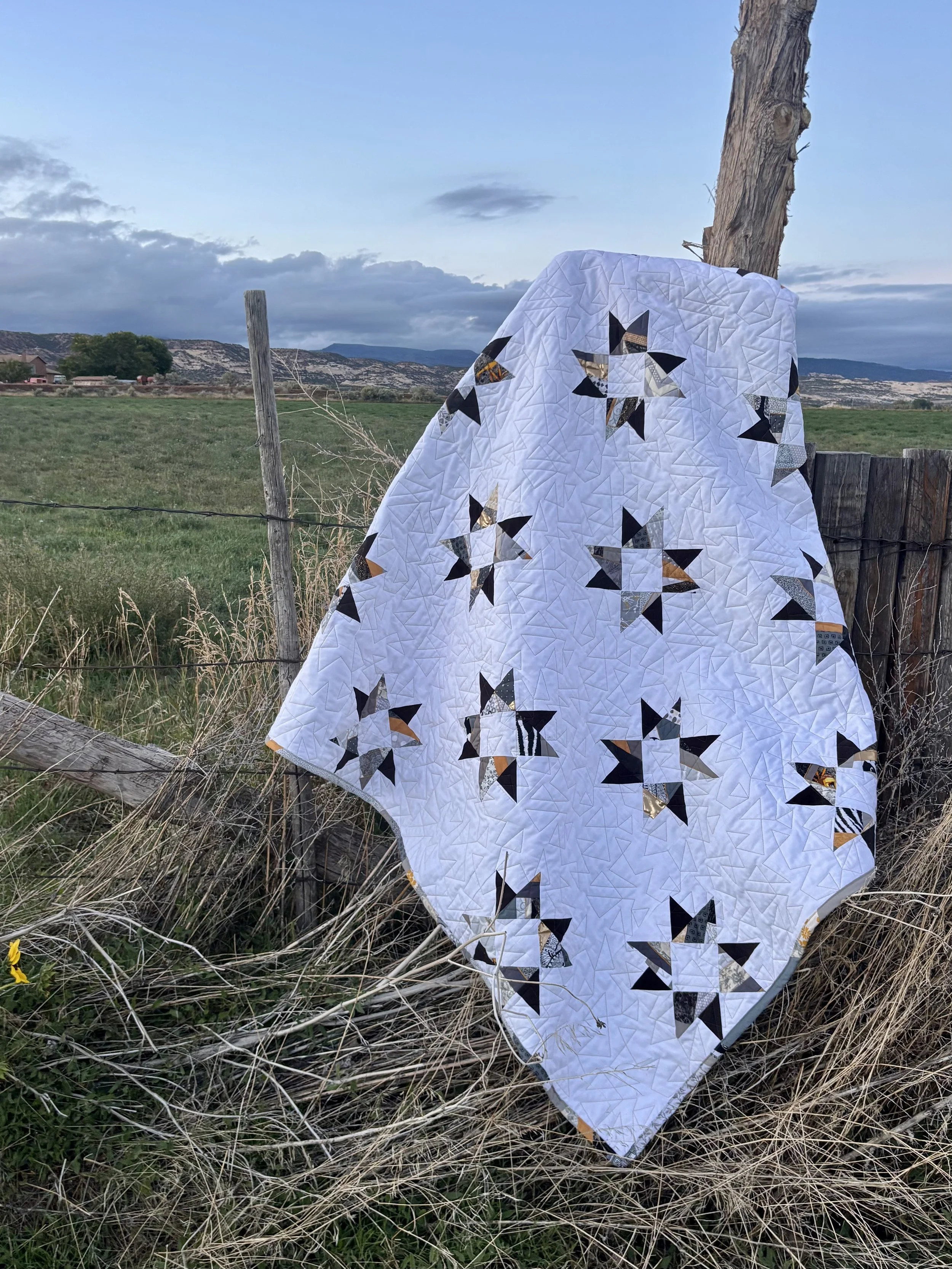
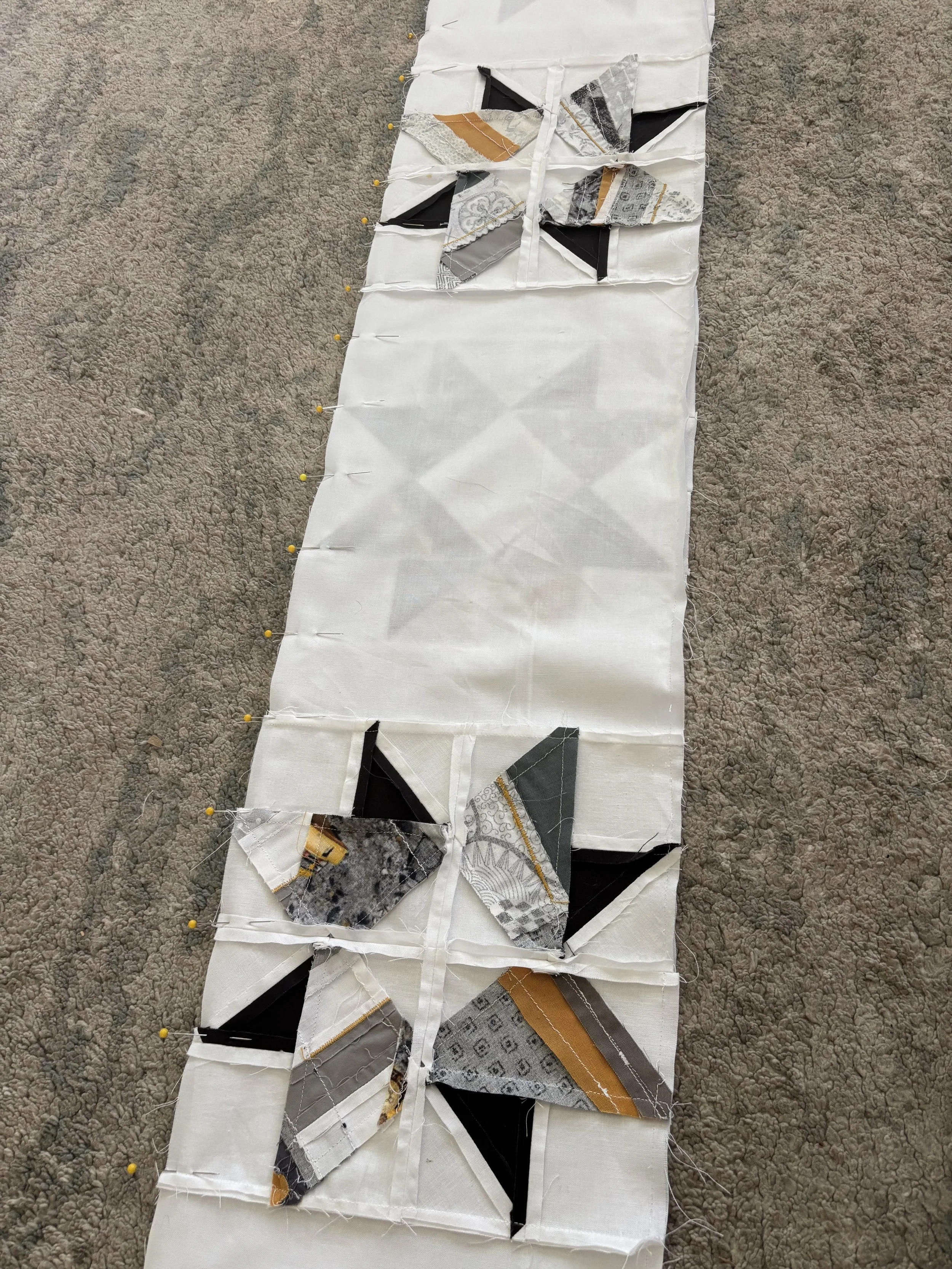
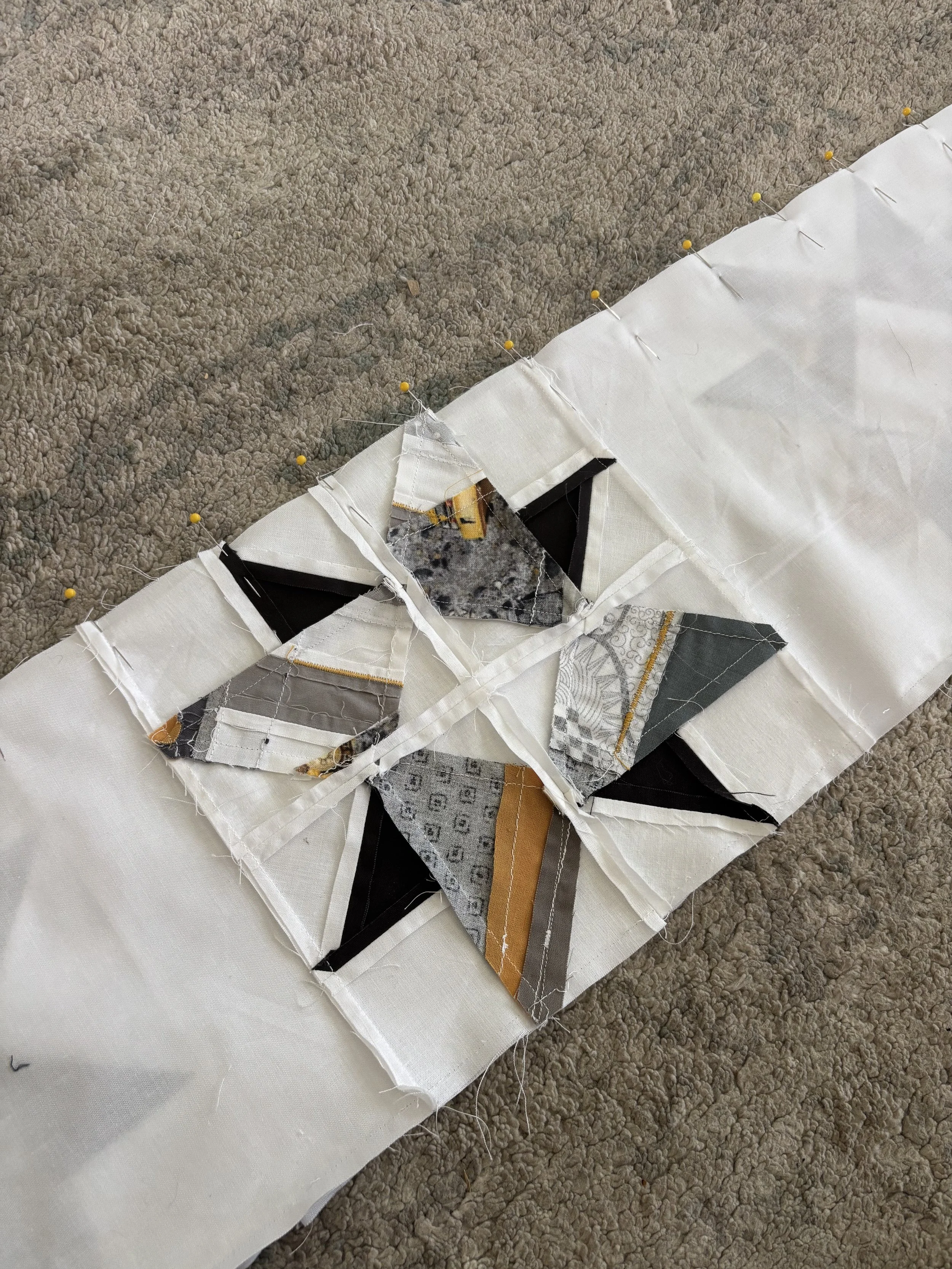
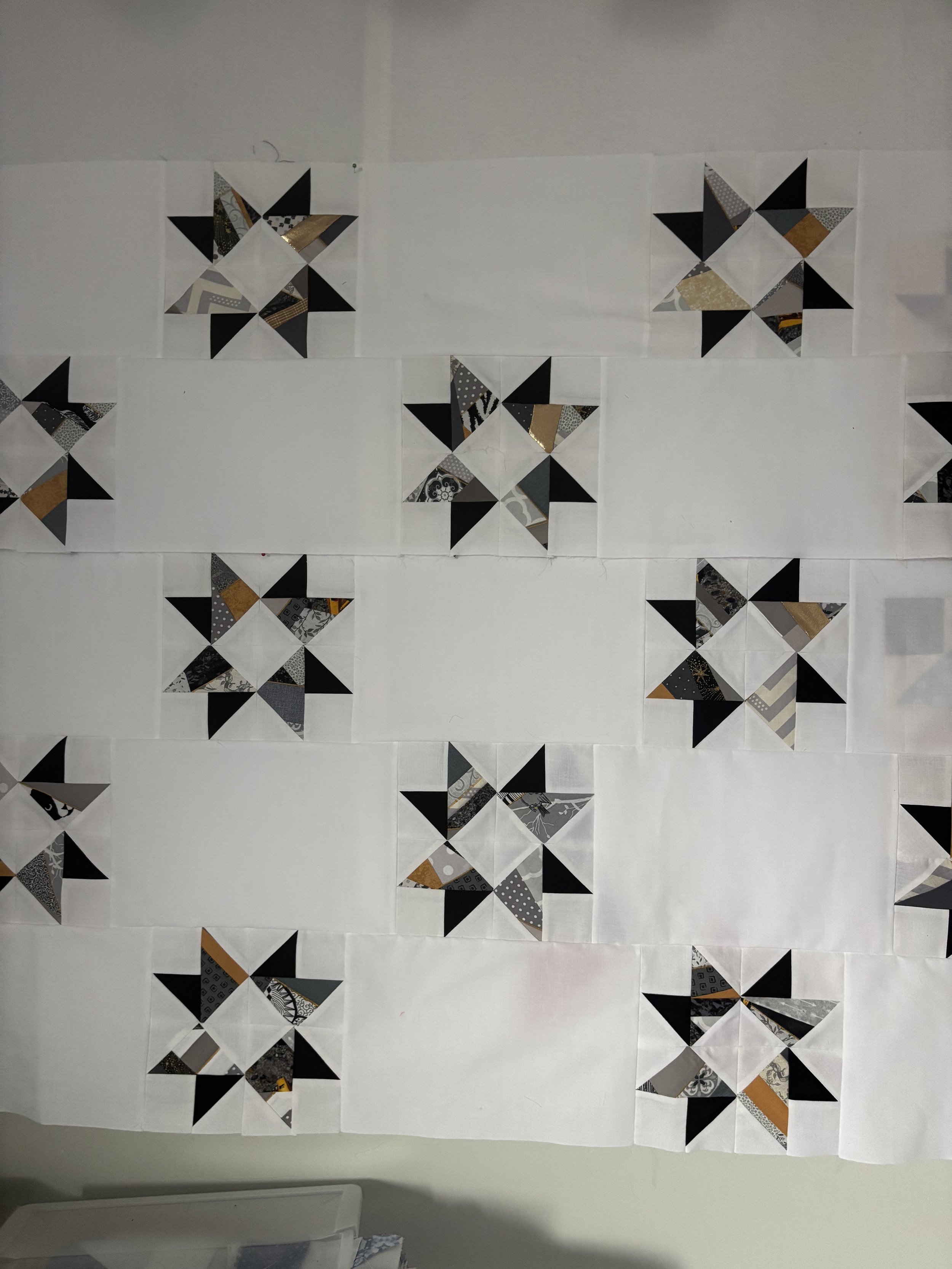
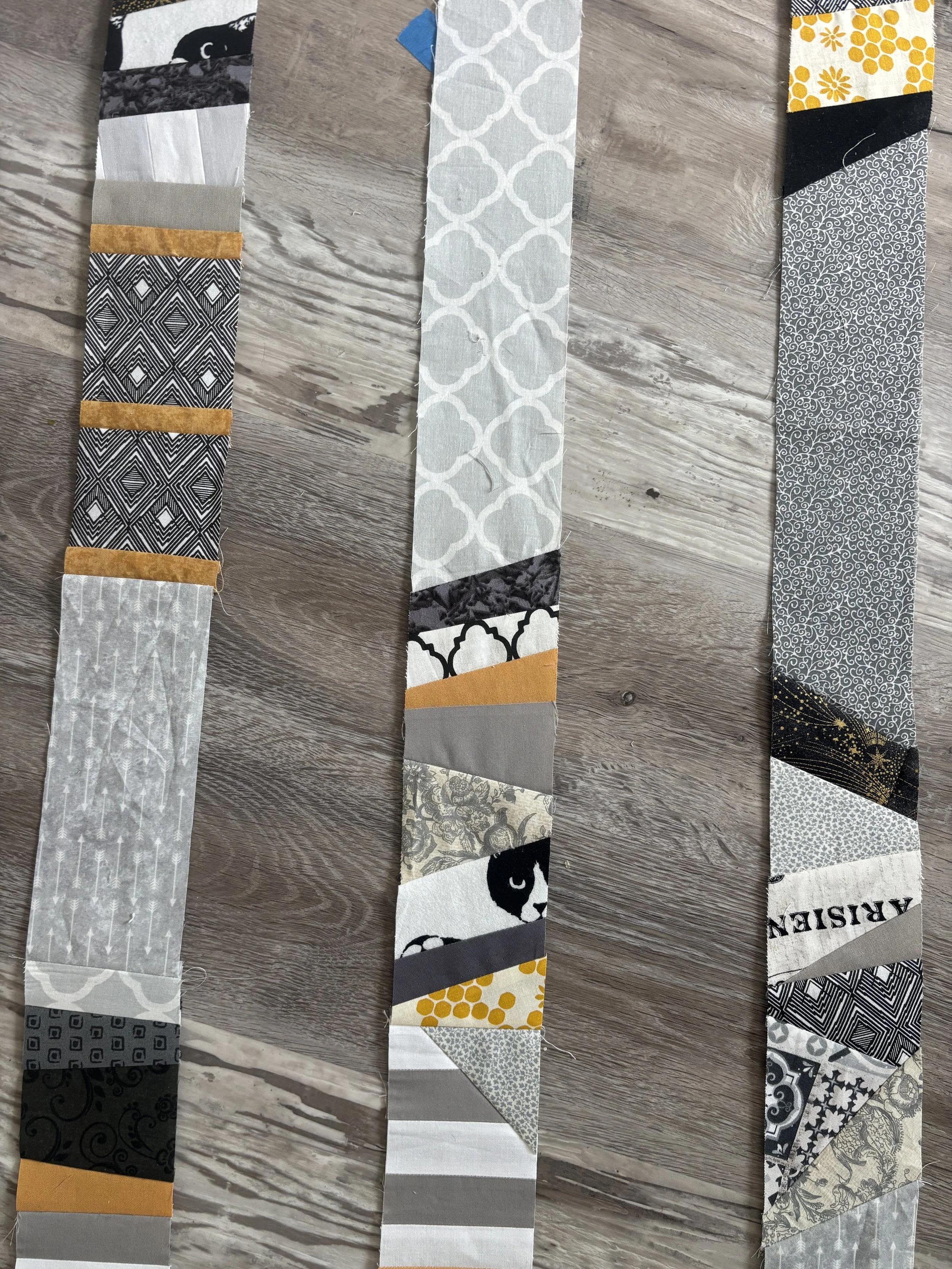
Within the last year, I came across a blog post/how-to where someone had created a quilt block using "scrapified" fabric. With my experience in Japan, the idea instantly clicked. Broken & Beautiful was born!
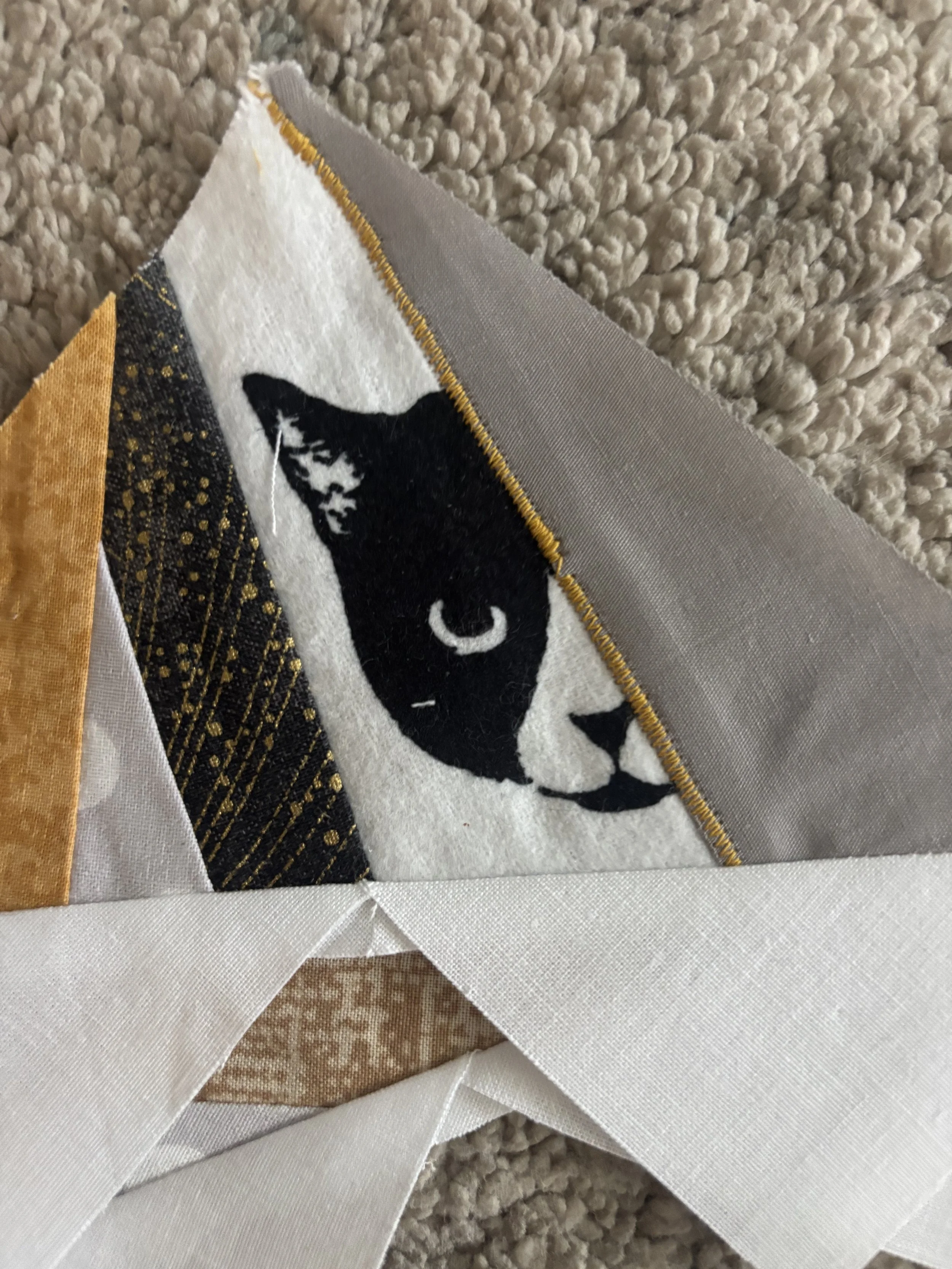
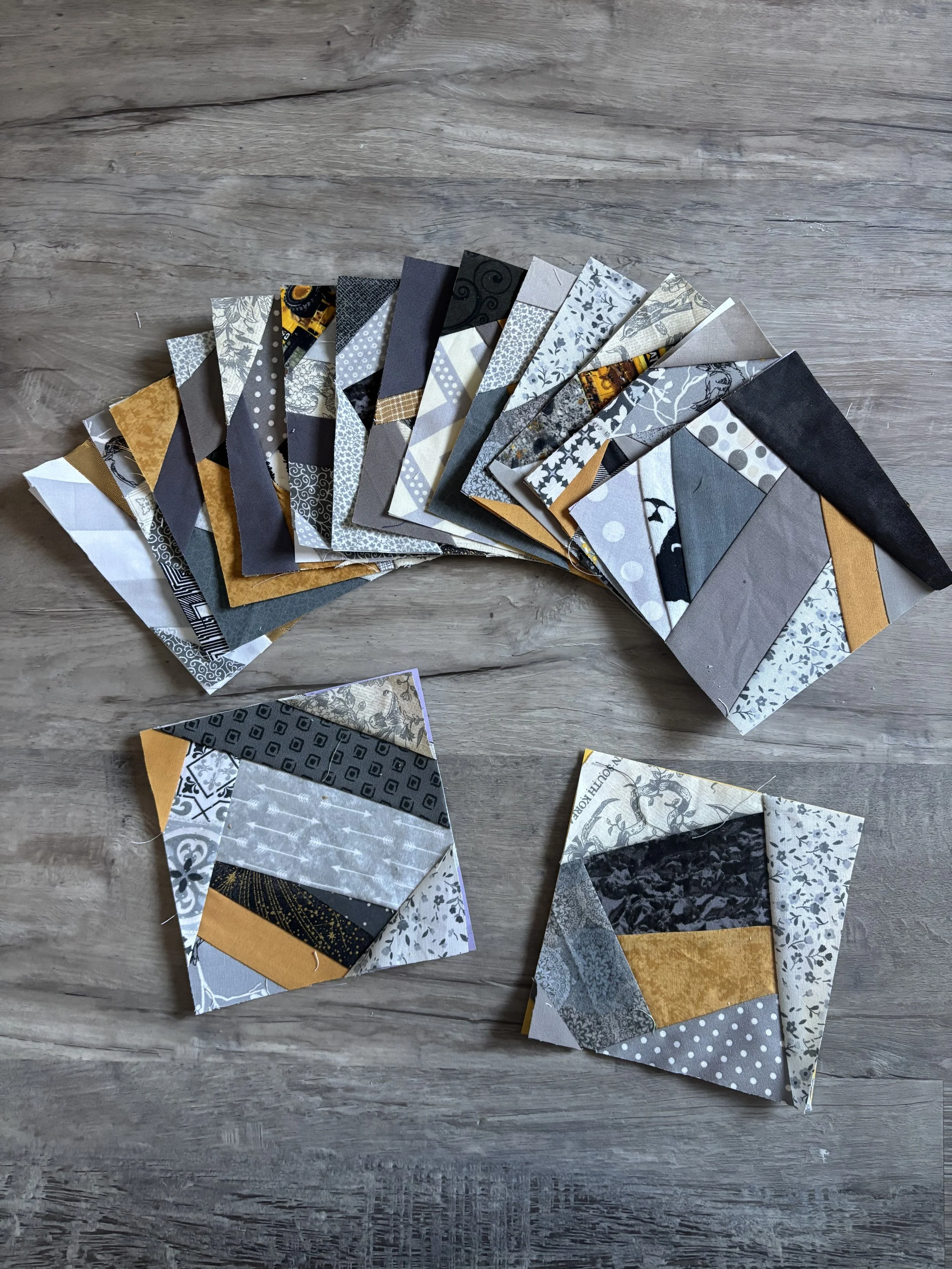
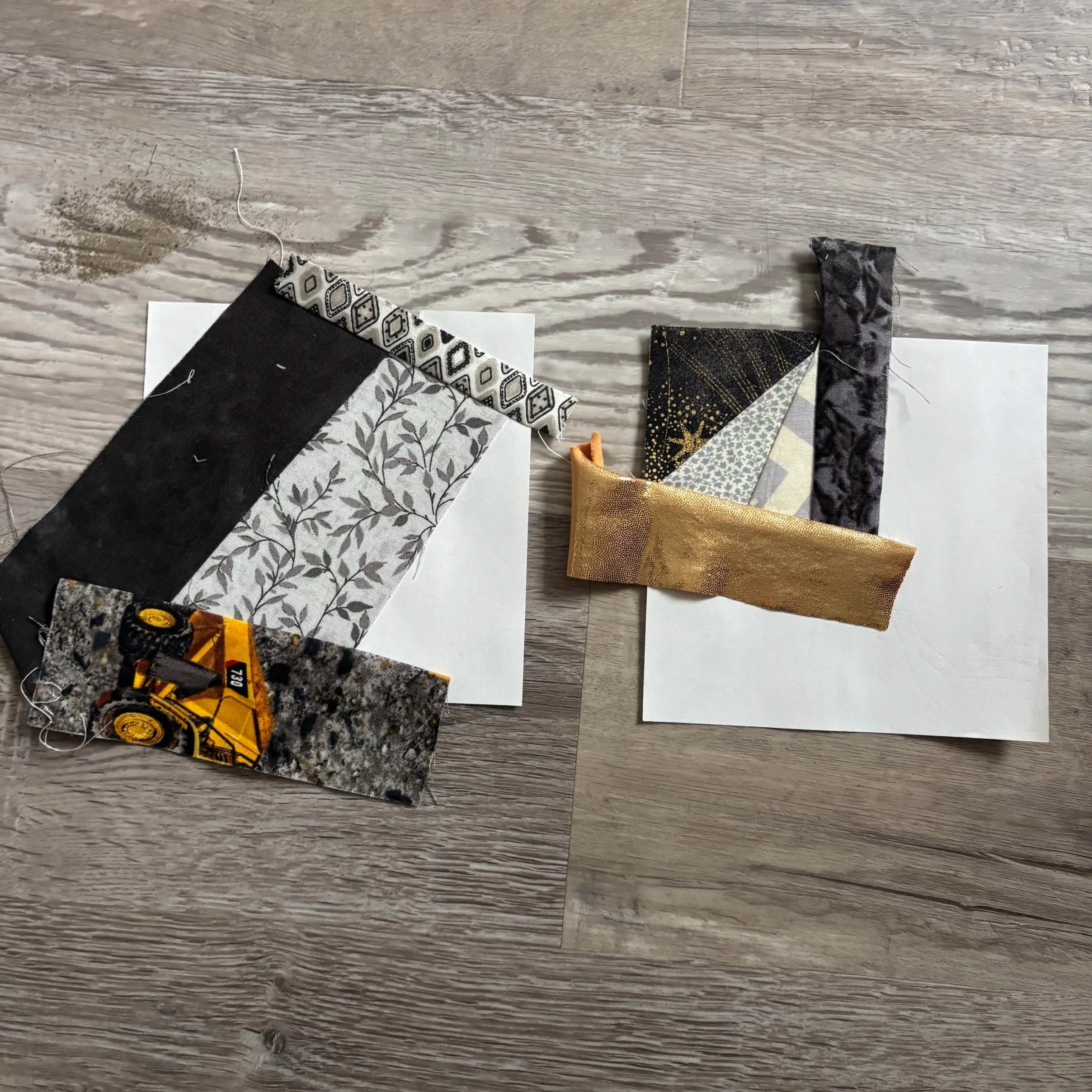
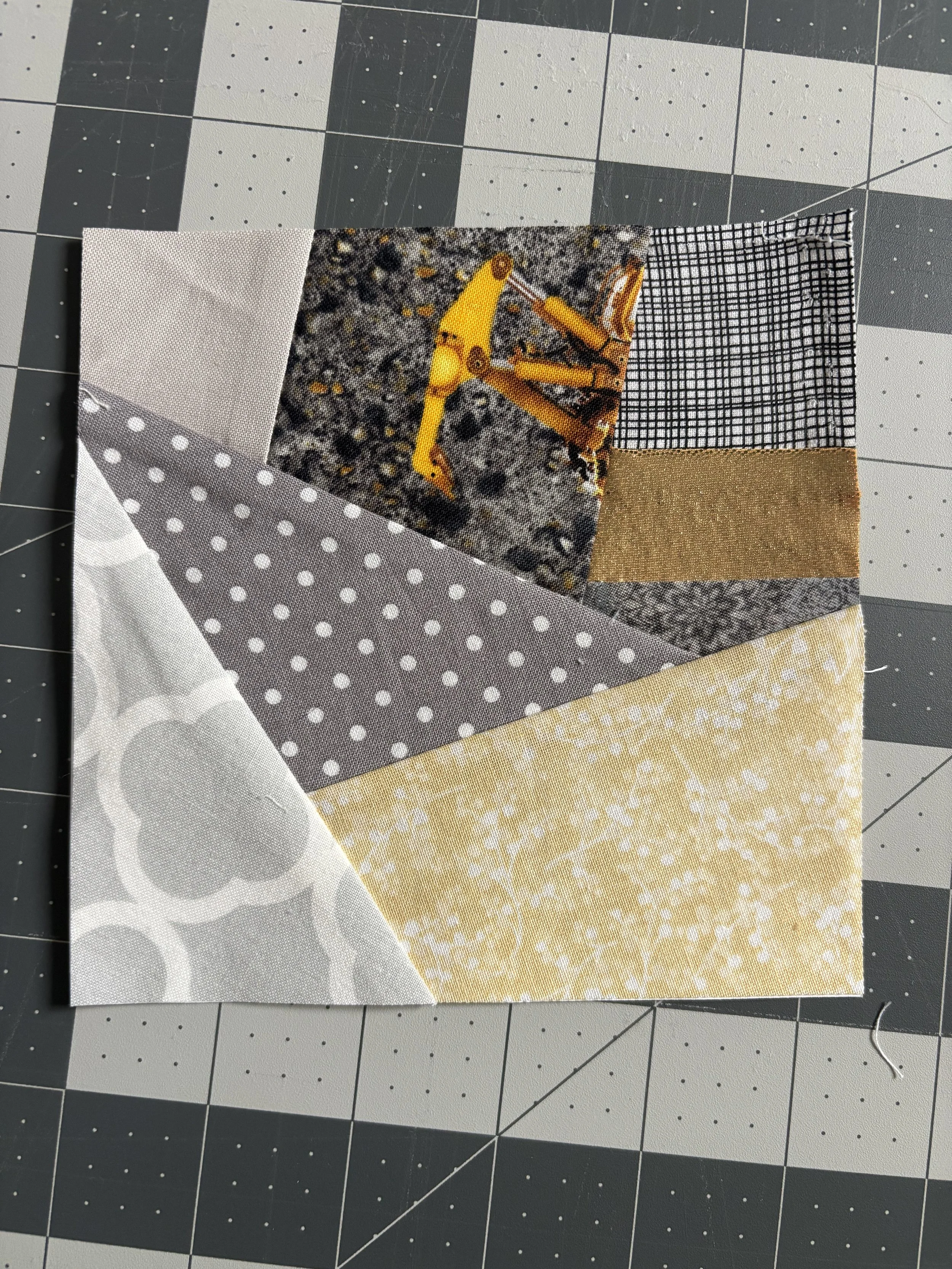
What I love most about Kintsugi isn't just the process—it's the message.
Our history—the pain, the hardships, the challenges, the triumphs—becomes part of who we are. Those experiences don't diminish our worth; they shape it. They make us stronger, wiser, more compassionate, and more resilient. The very things that once felt broken become part of what makes us beautiful.
I can't think of a more powerful message of hope.
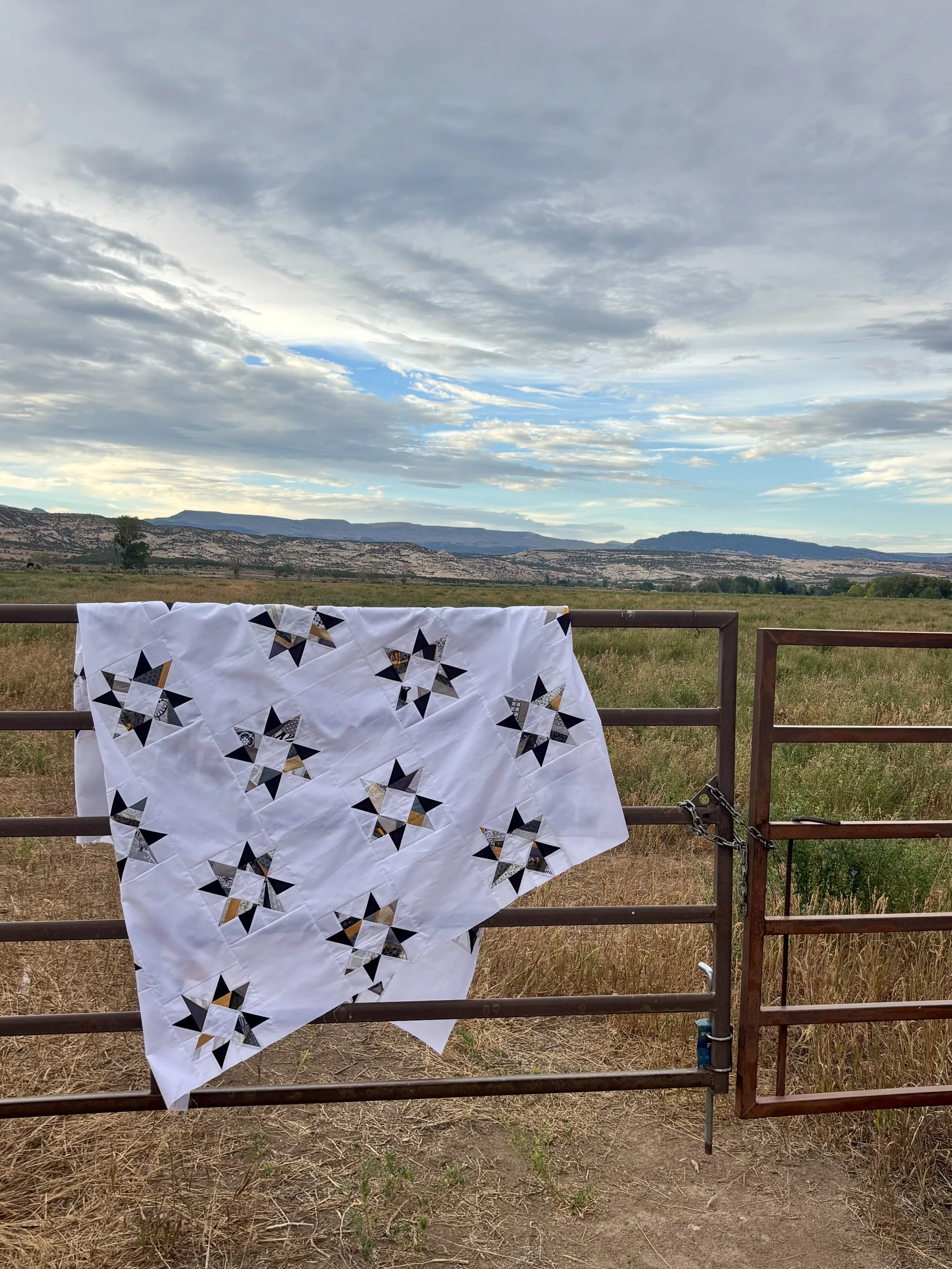
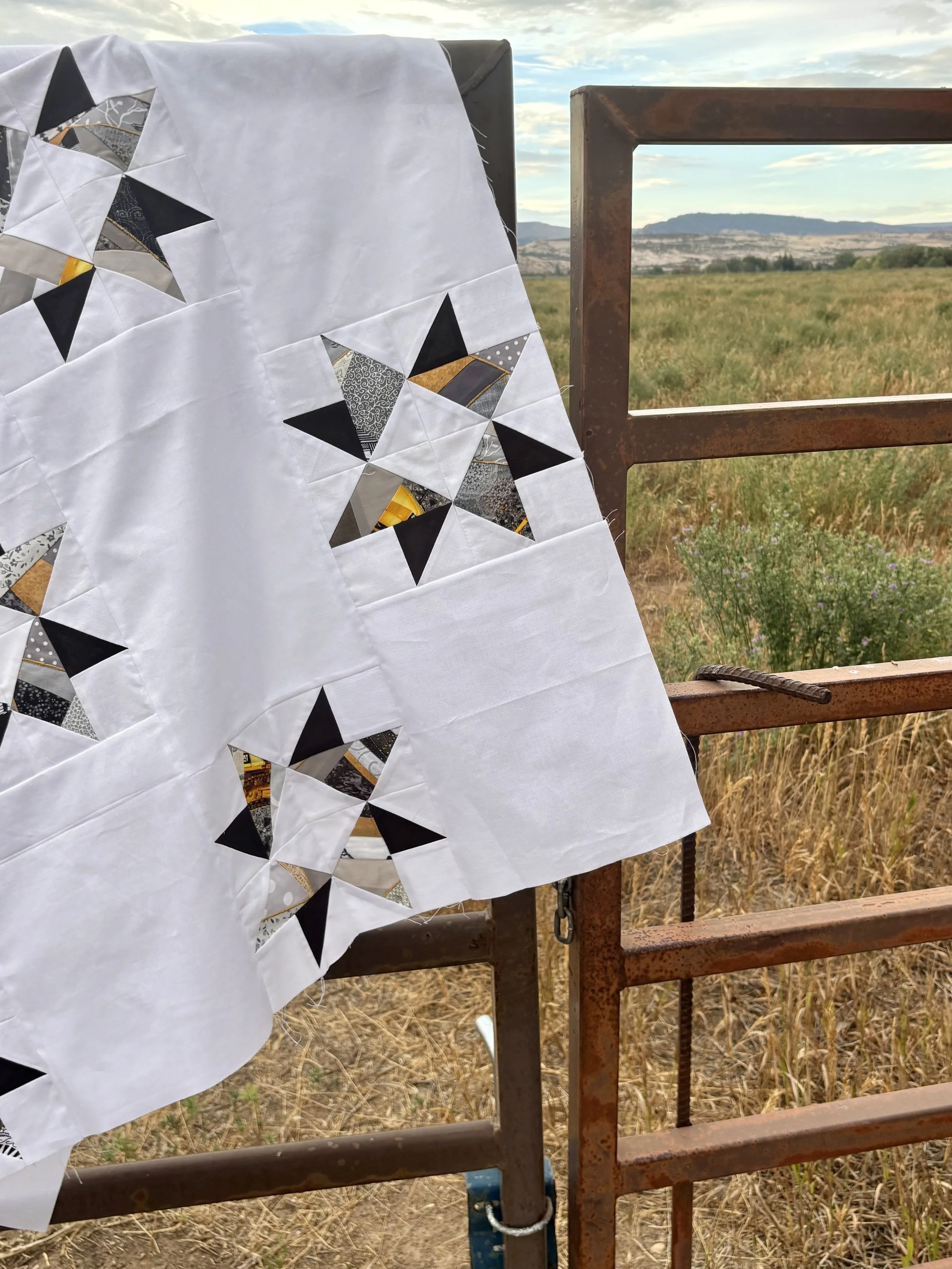
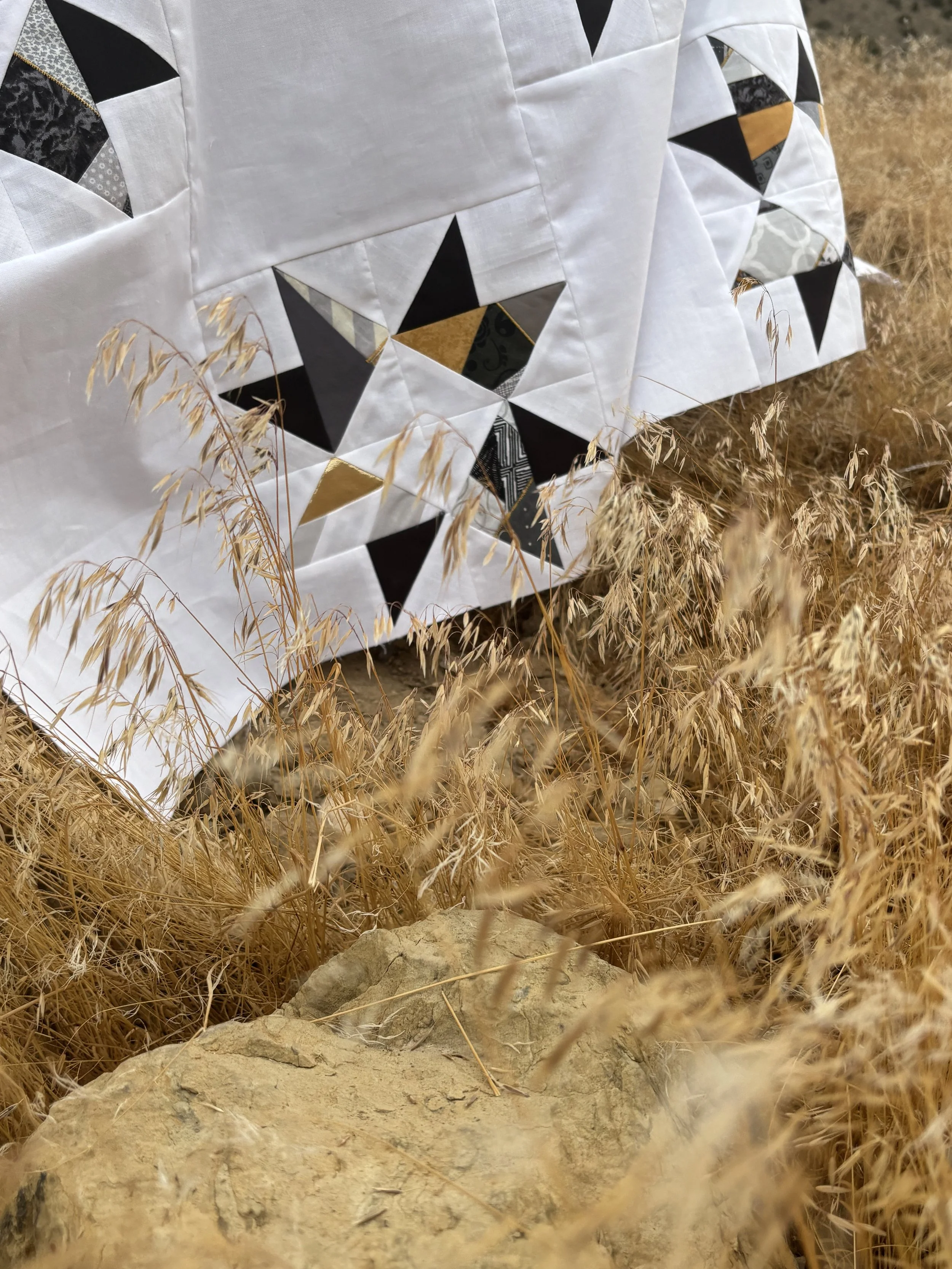
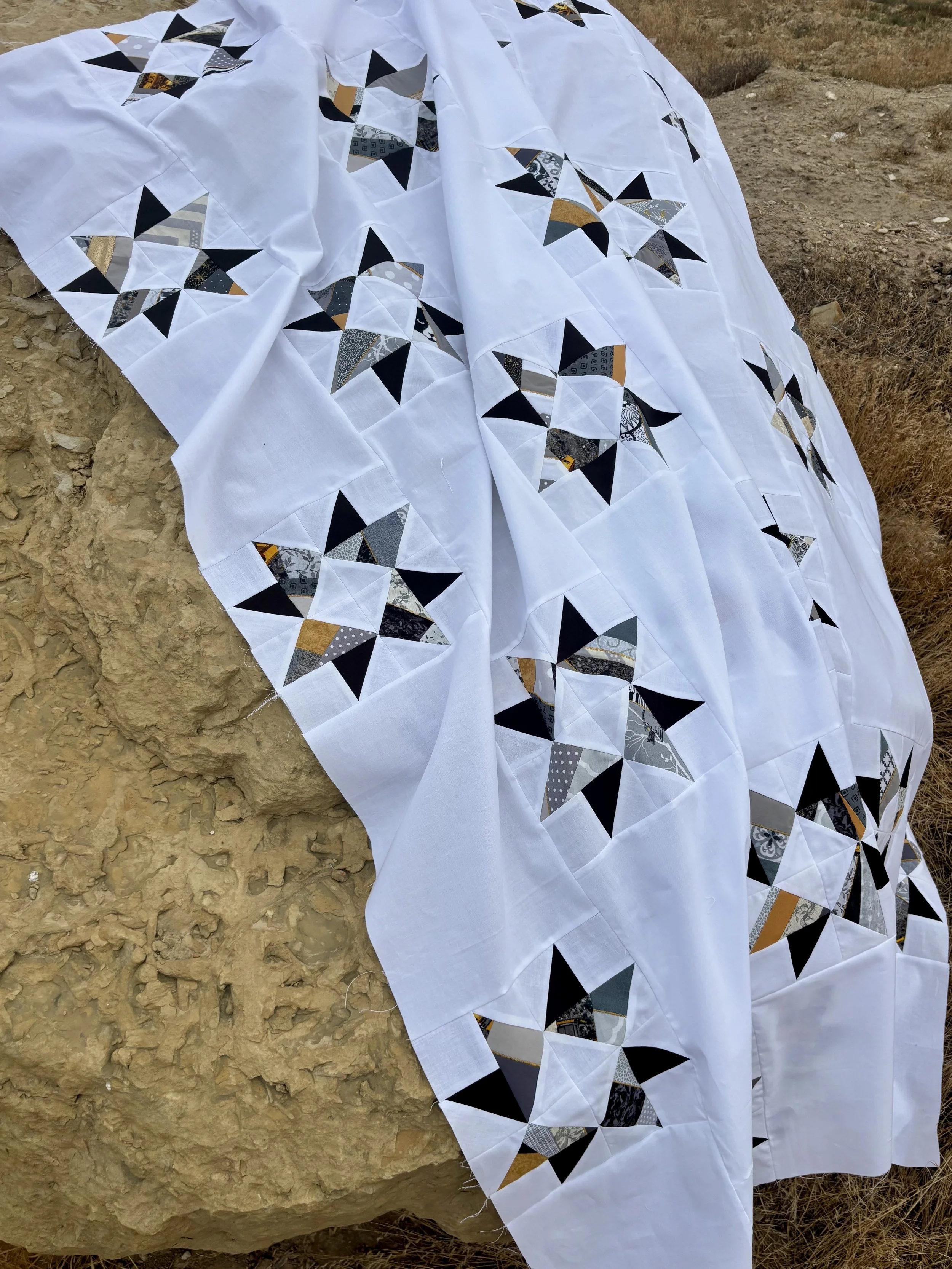
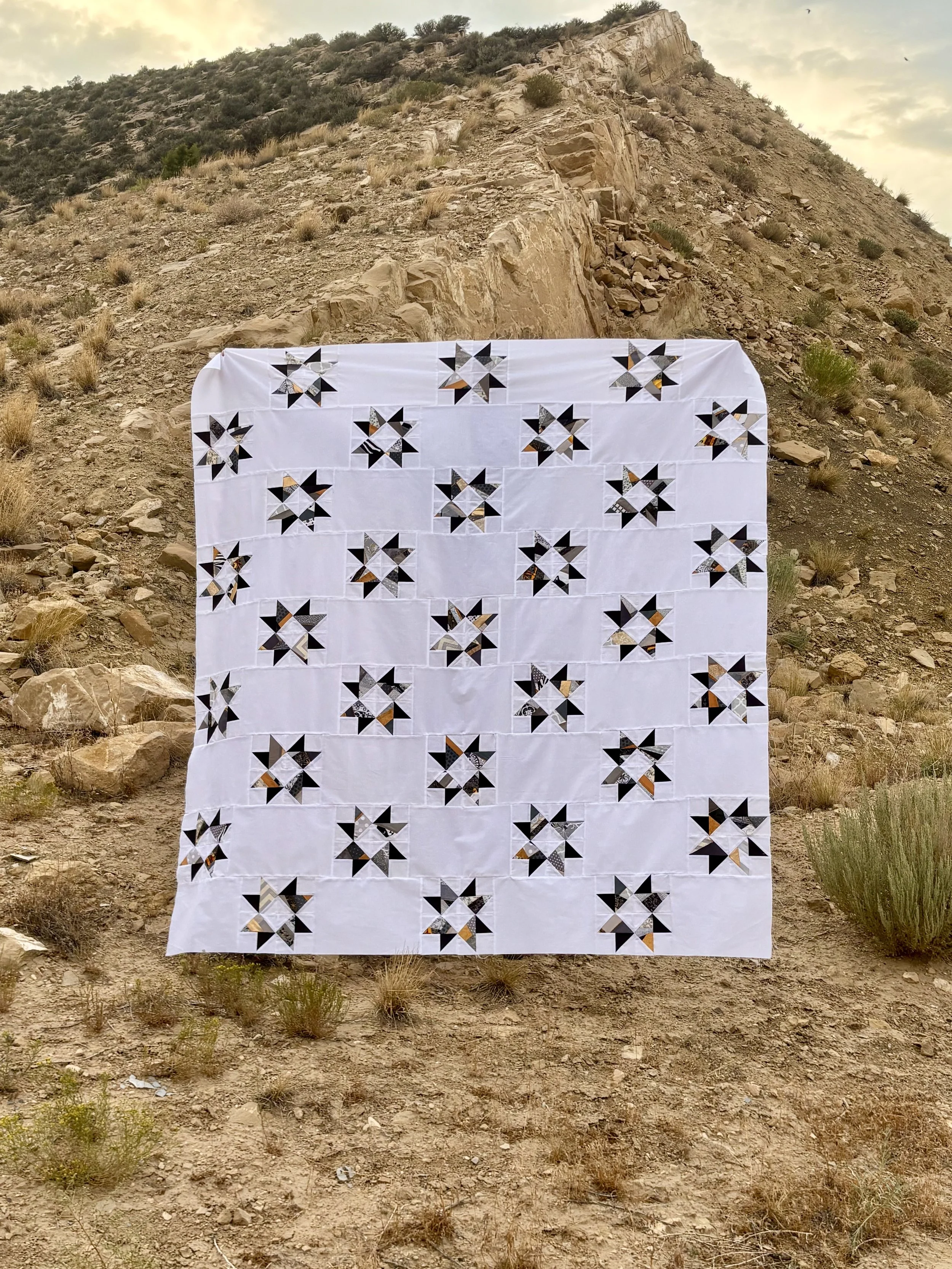
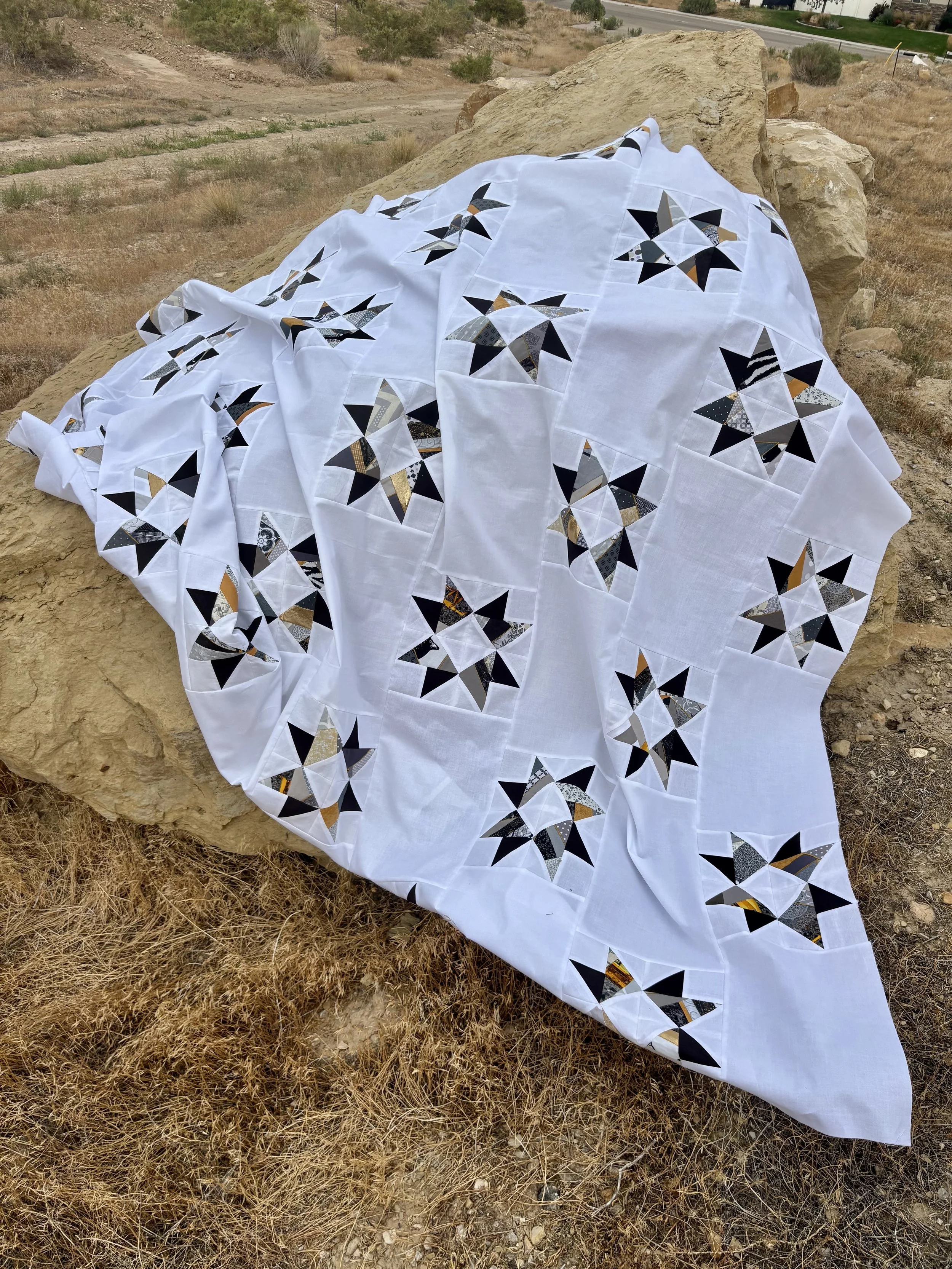
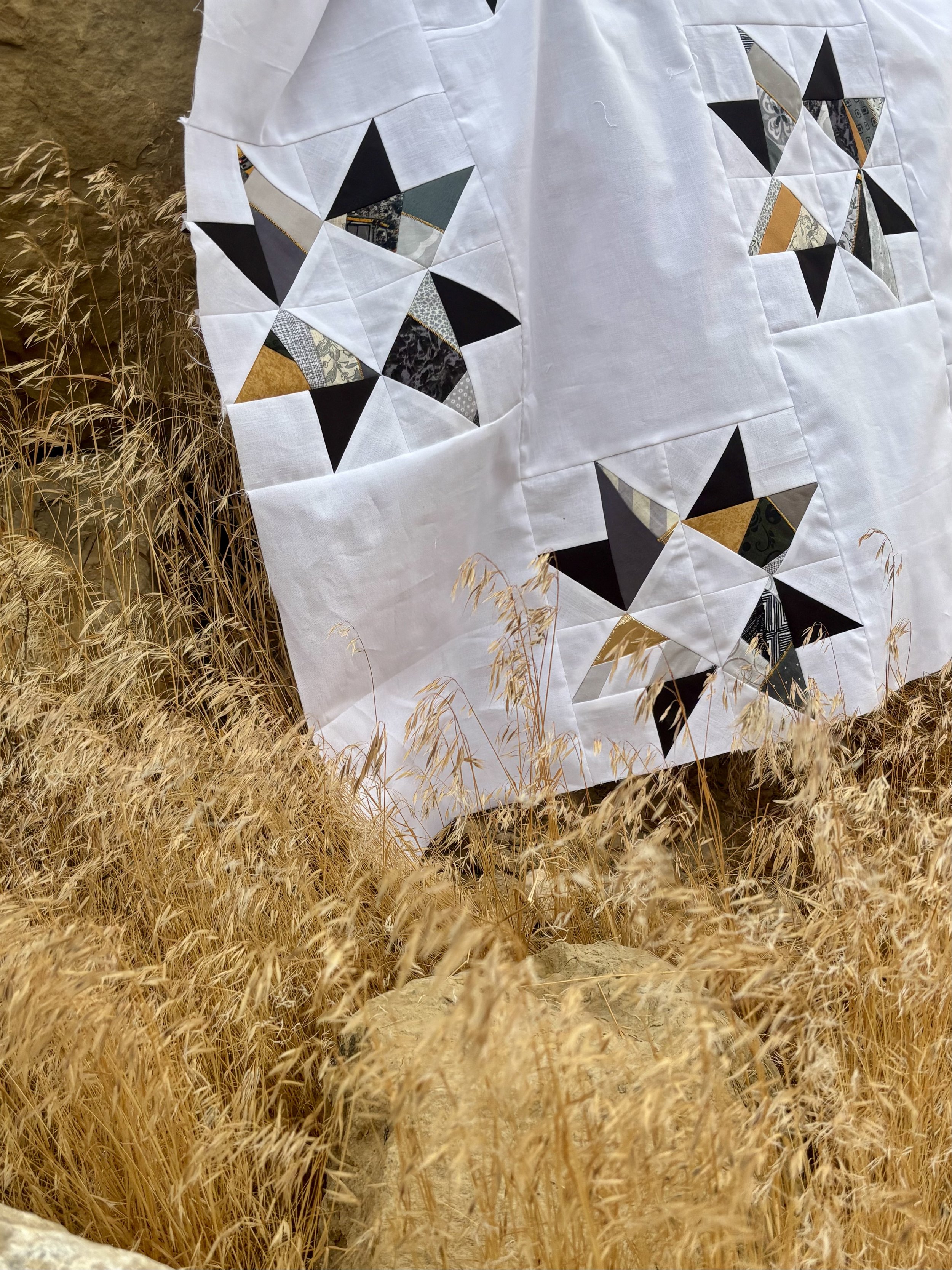
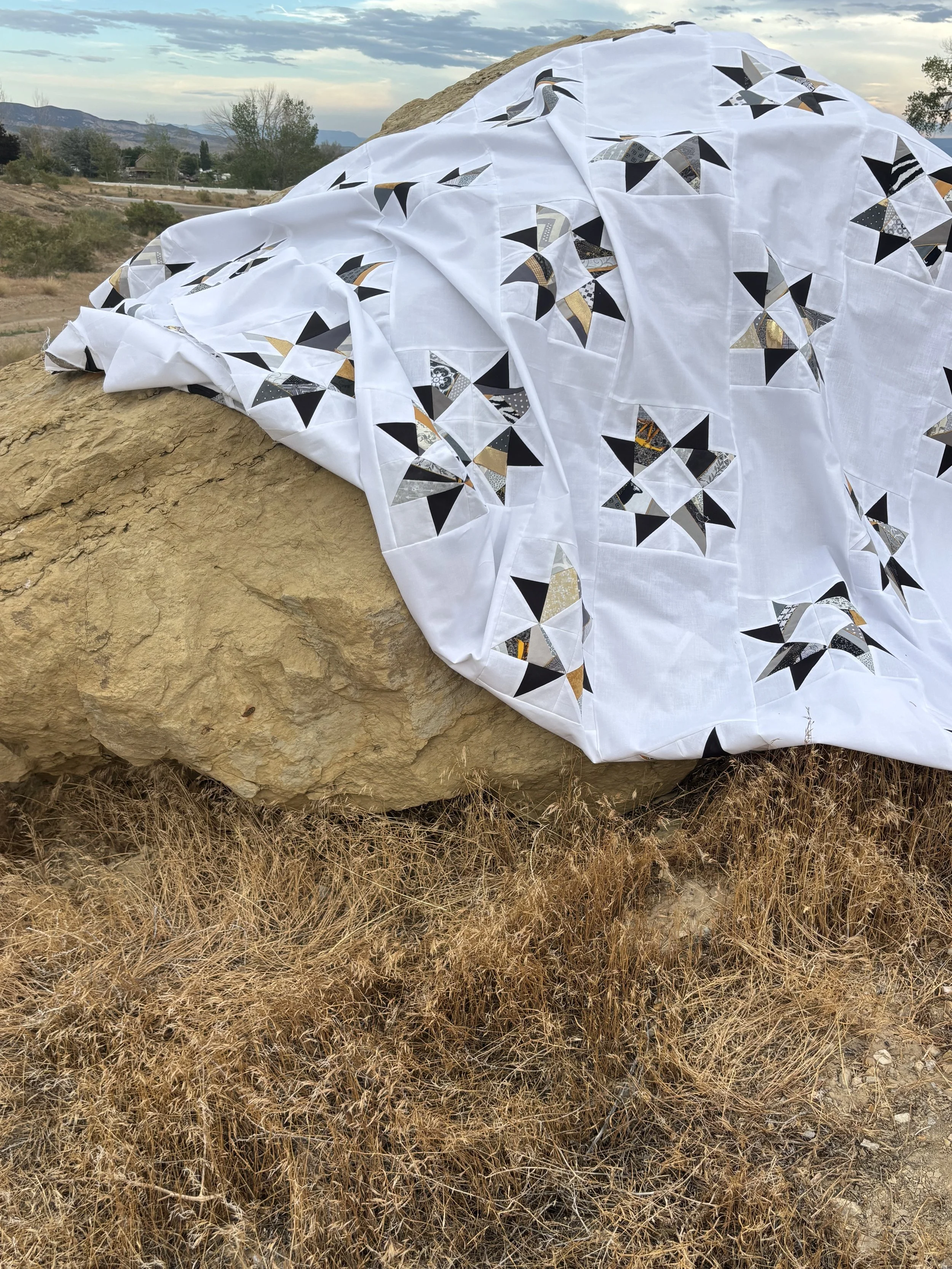
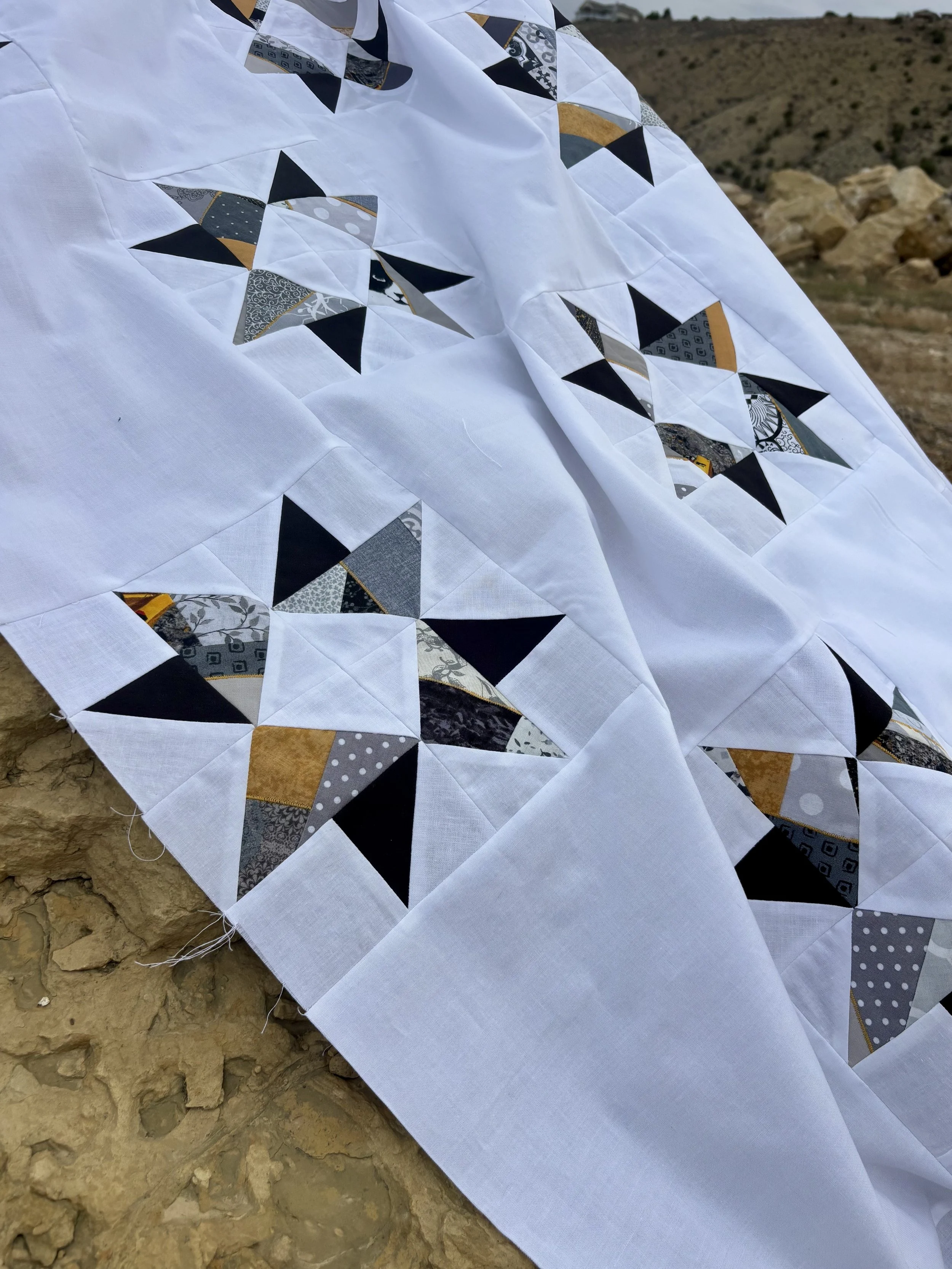
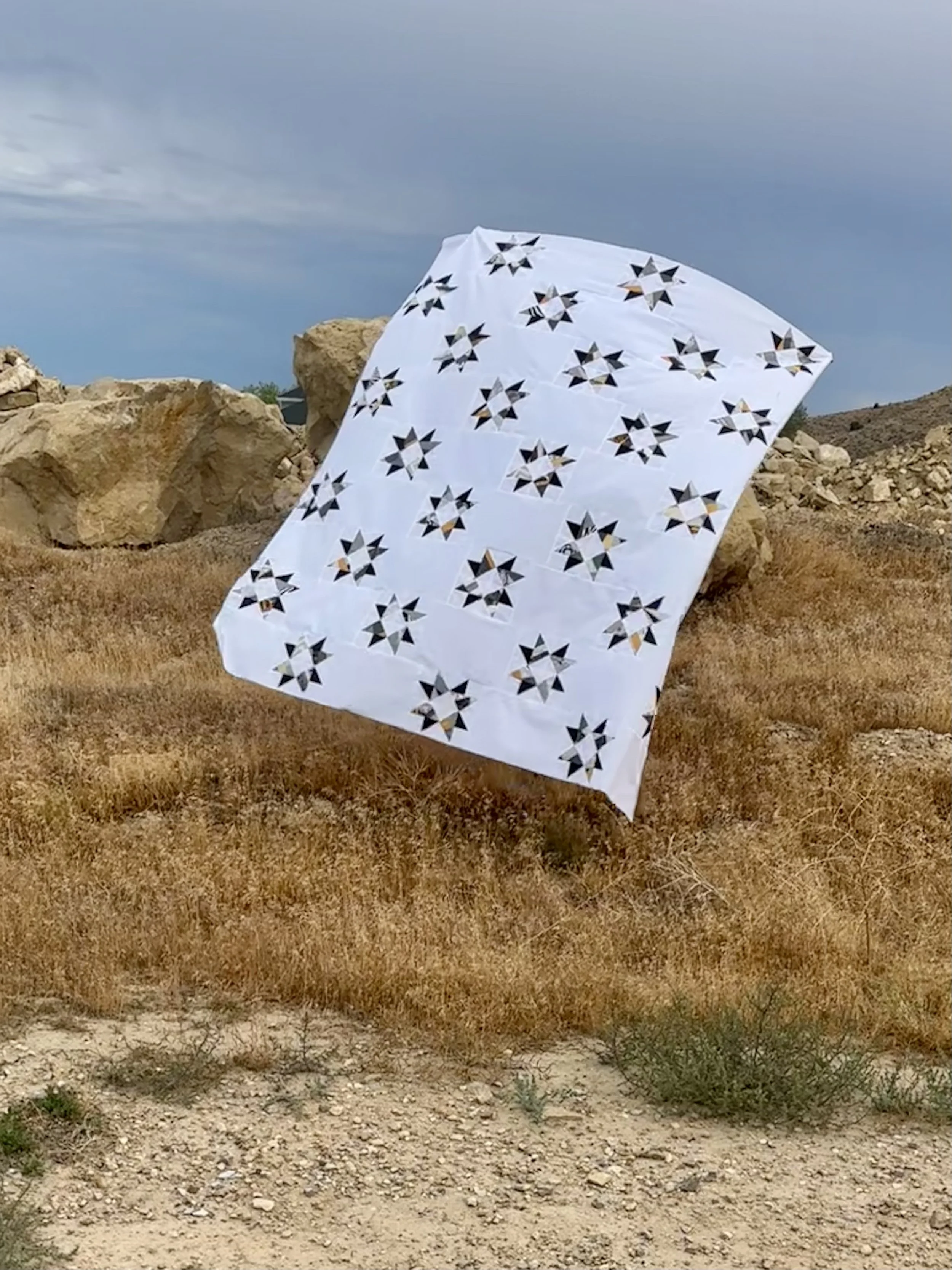
It's my hope that, wherever you are in your own story, you'll recognize how incredible you are simply because you've made it this far. Whatever you've endured has helped shape the person you are today.
So make something that's uniquely yours. Quilt something that tells your story. Something that celebrates not only the joyful moments, but also the places where you've been mended—because those are often the most beautiful parts of all.
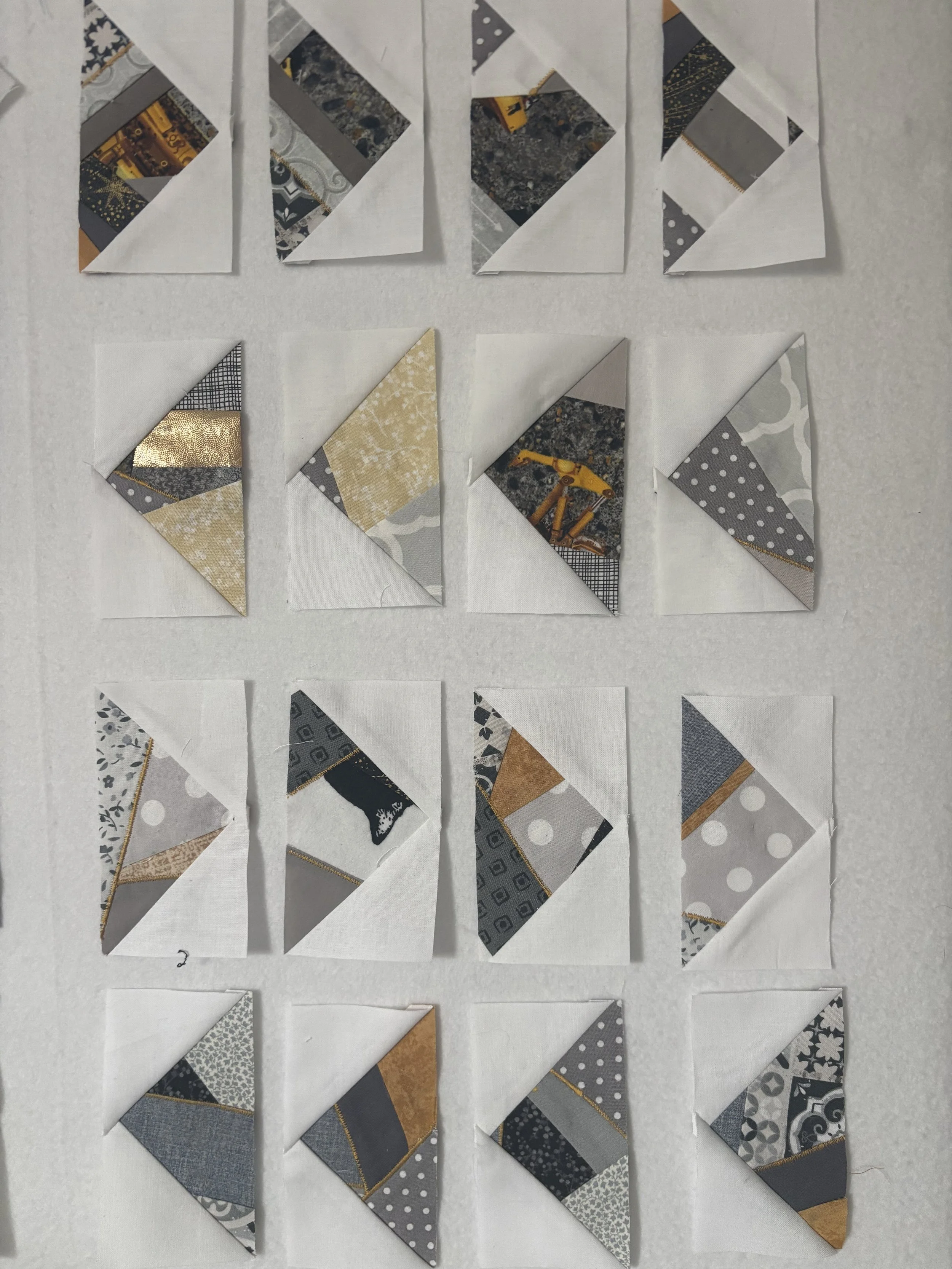
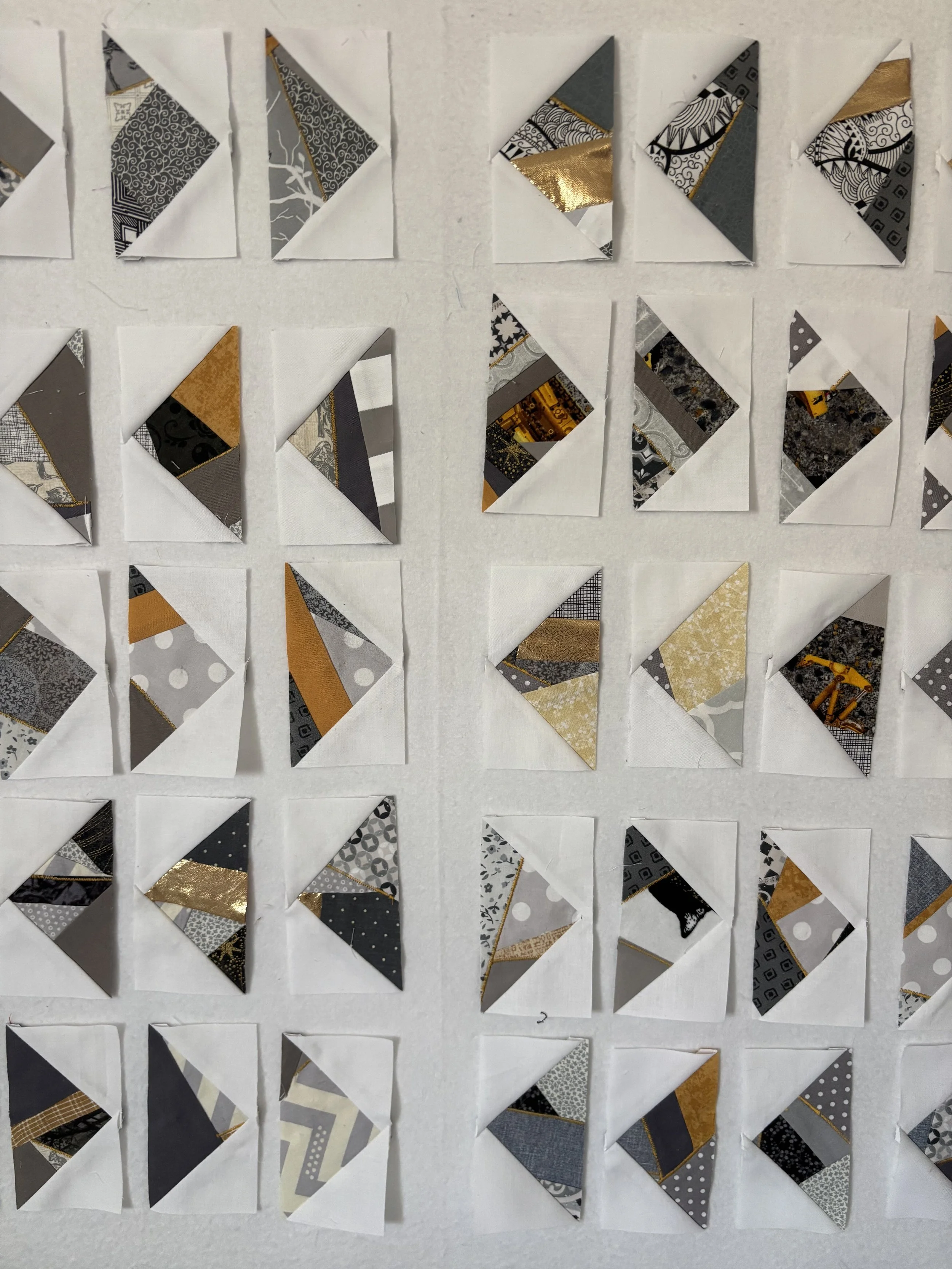
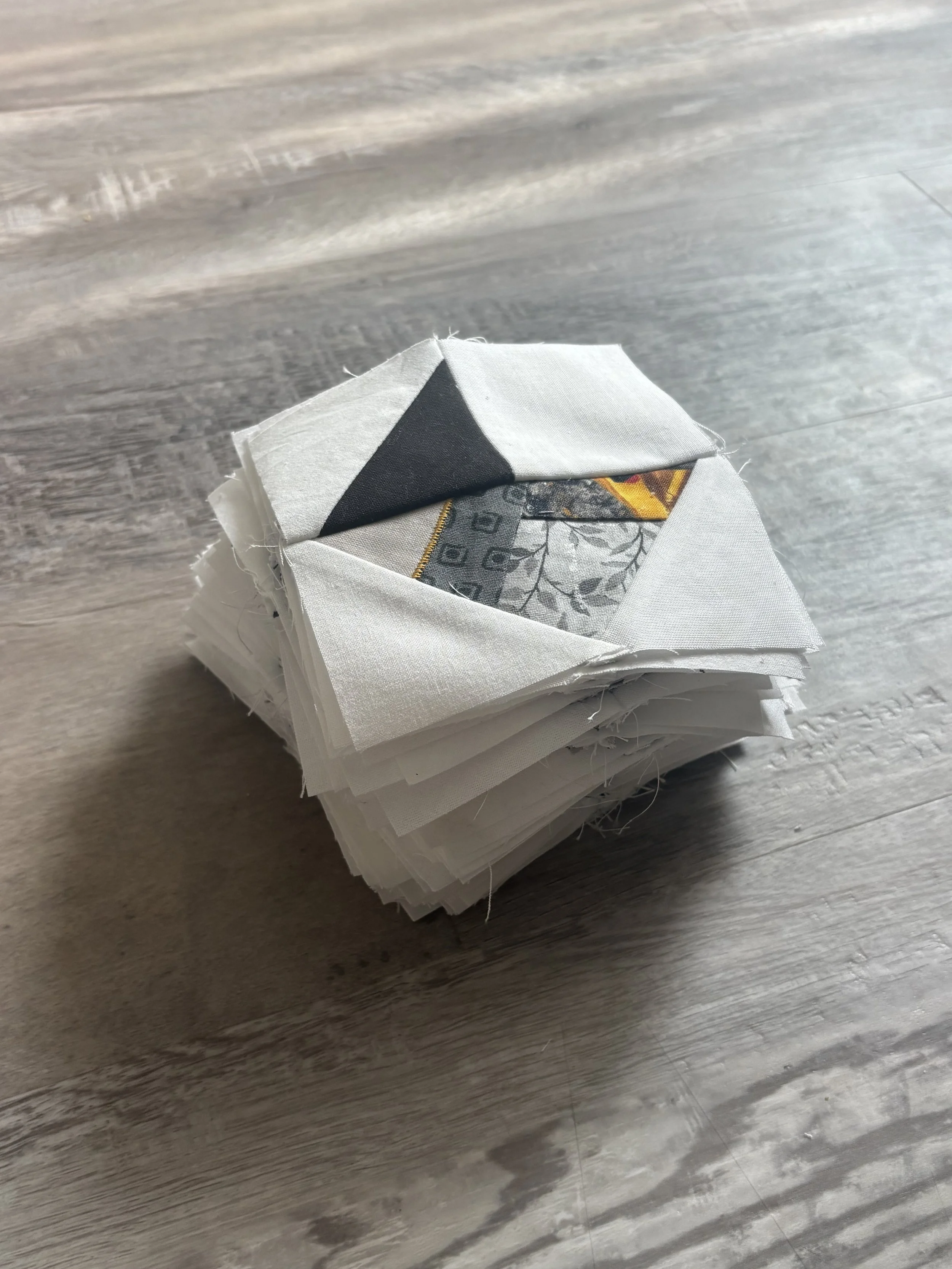
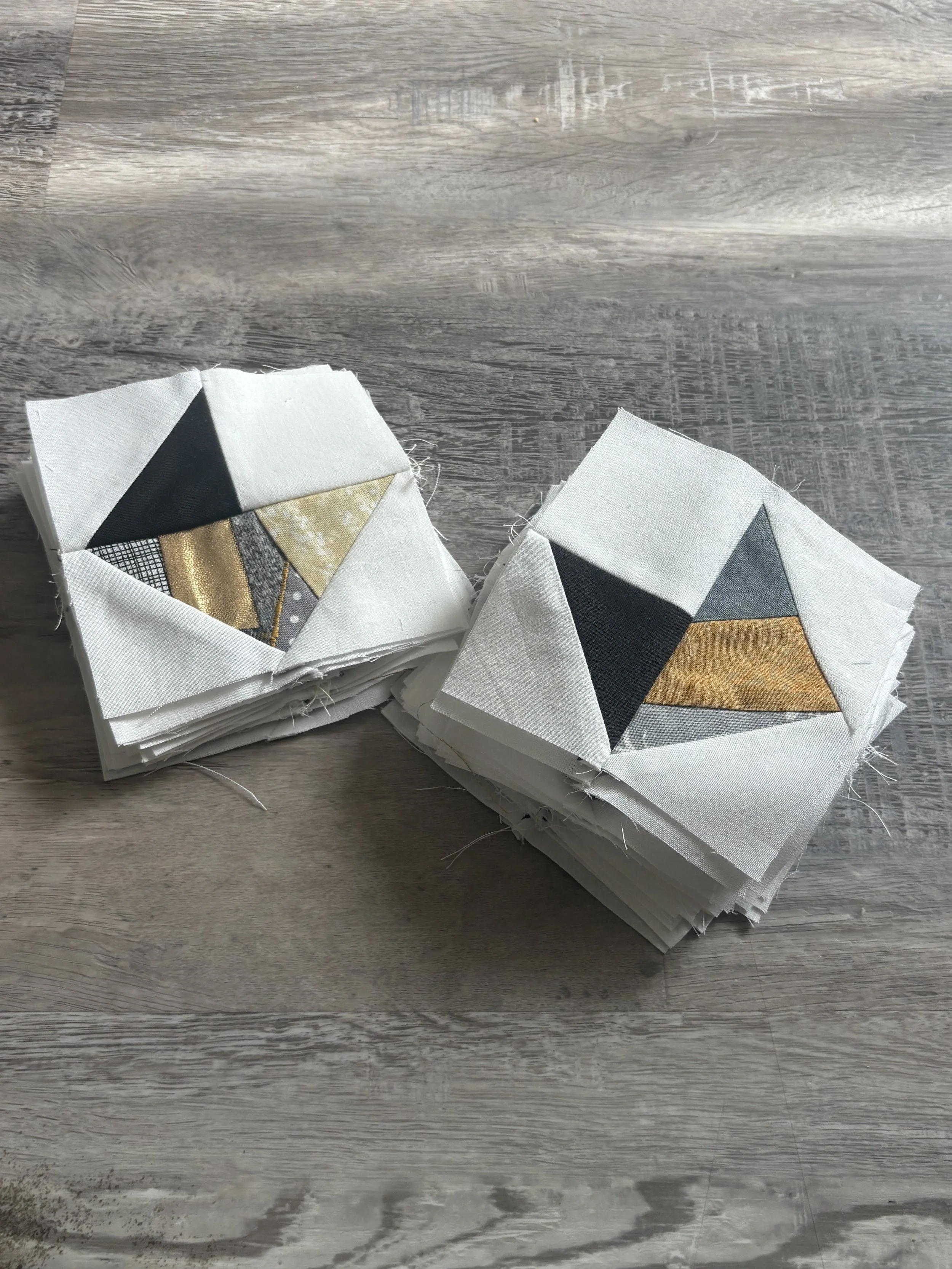
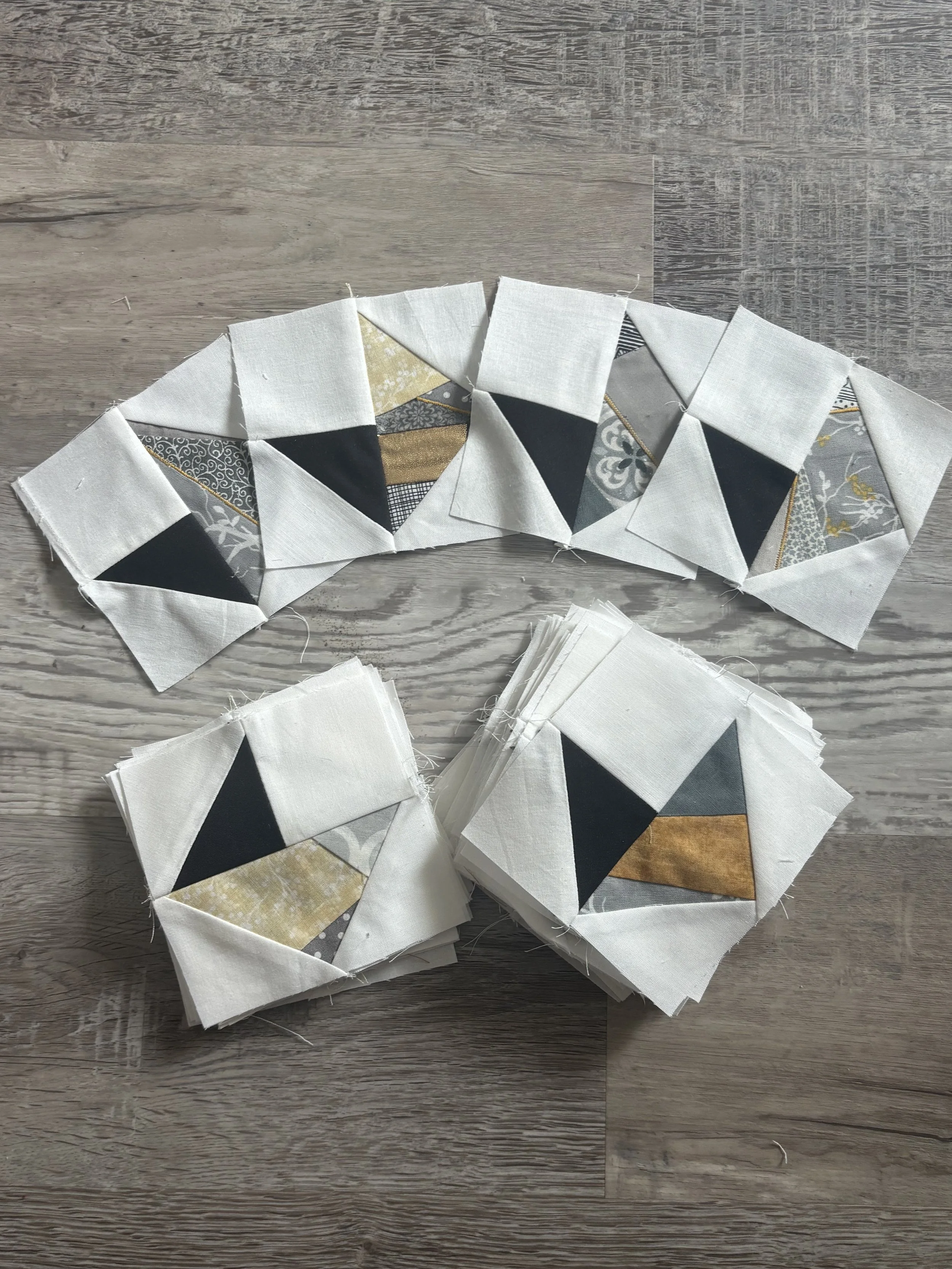
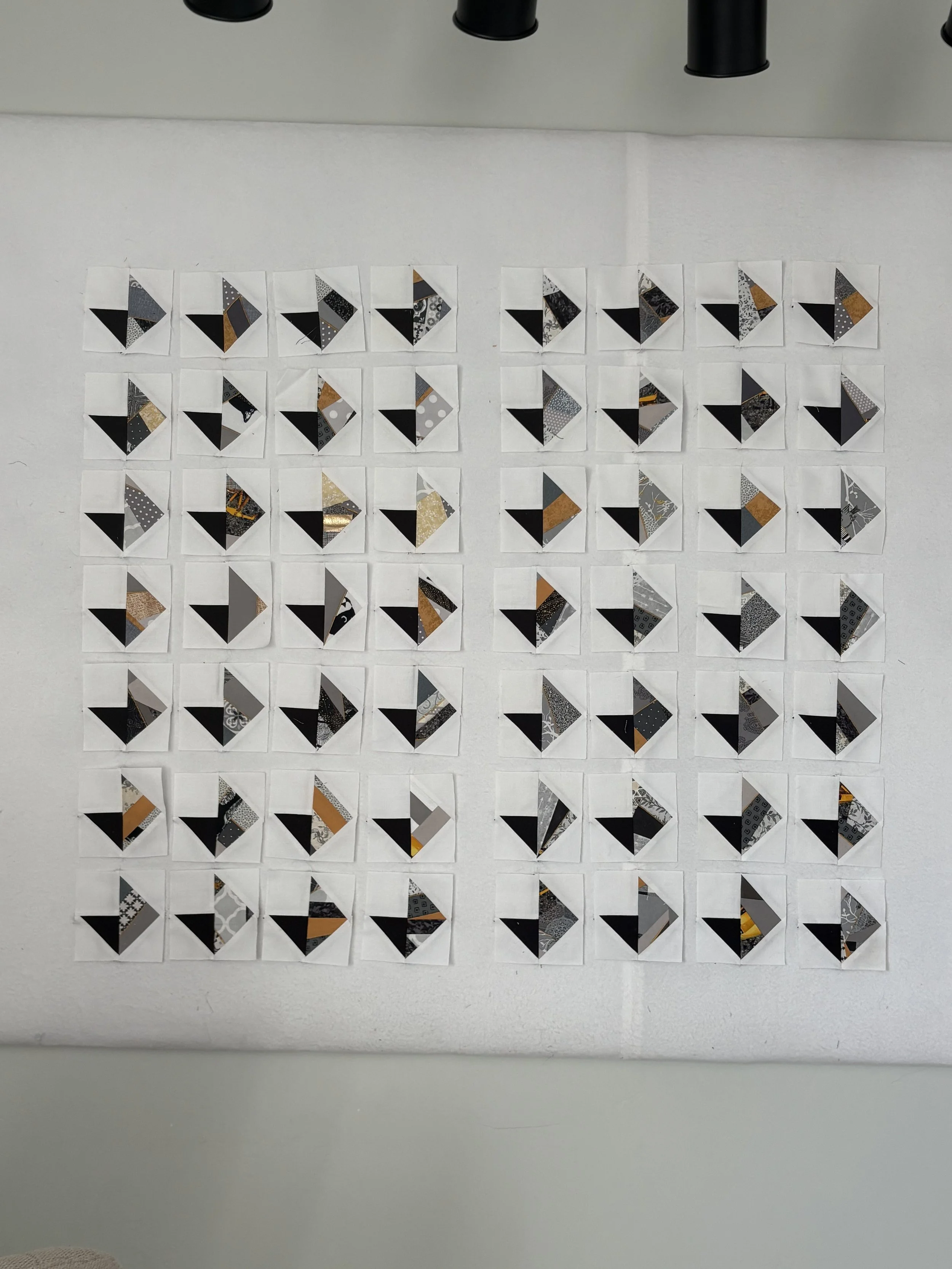
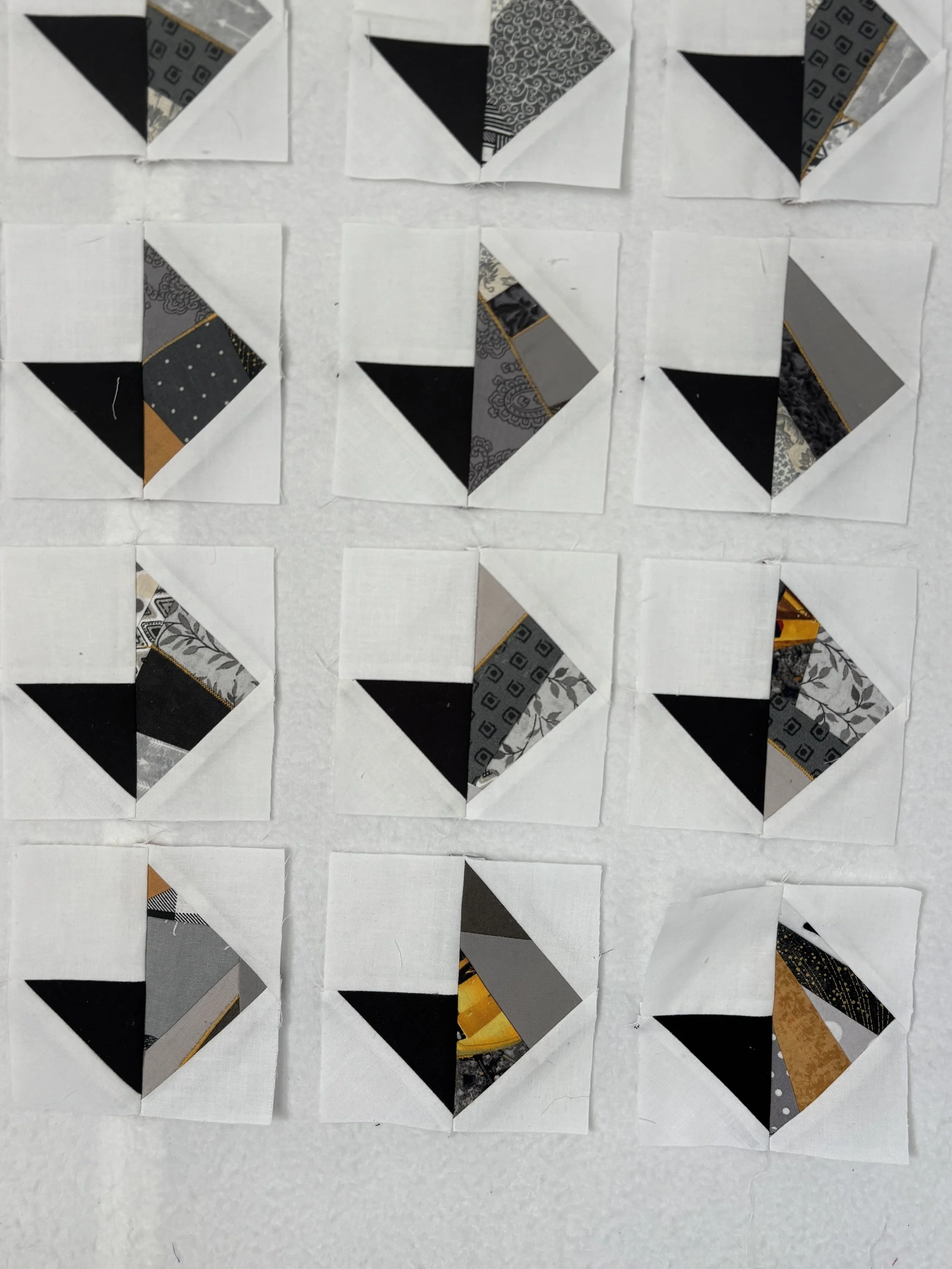
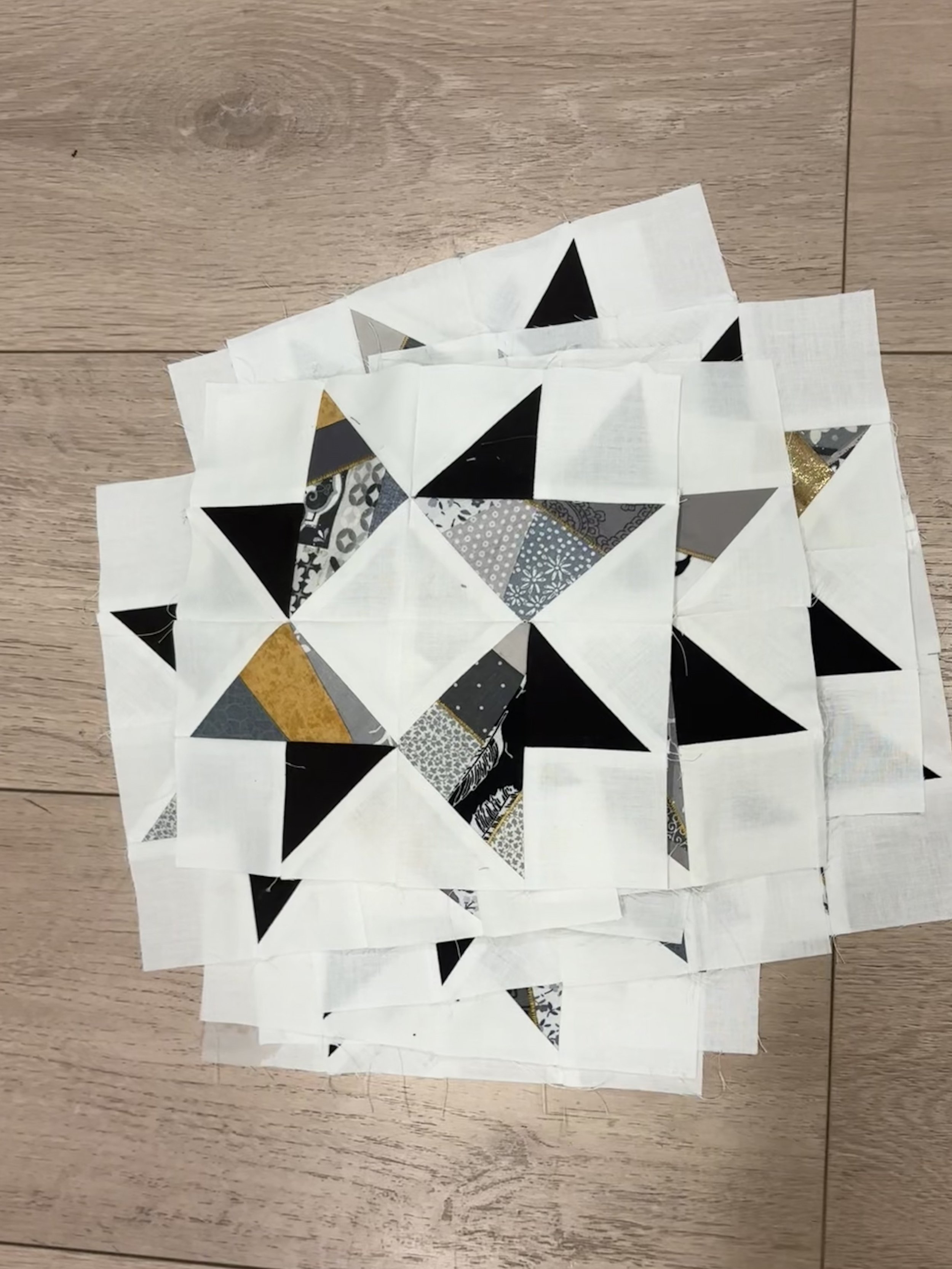
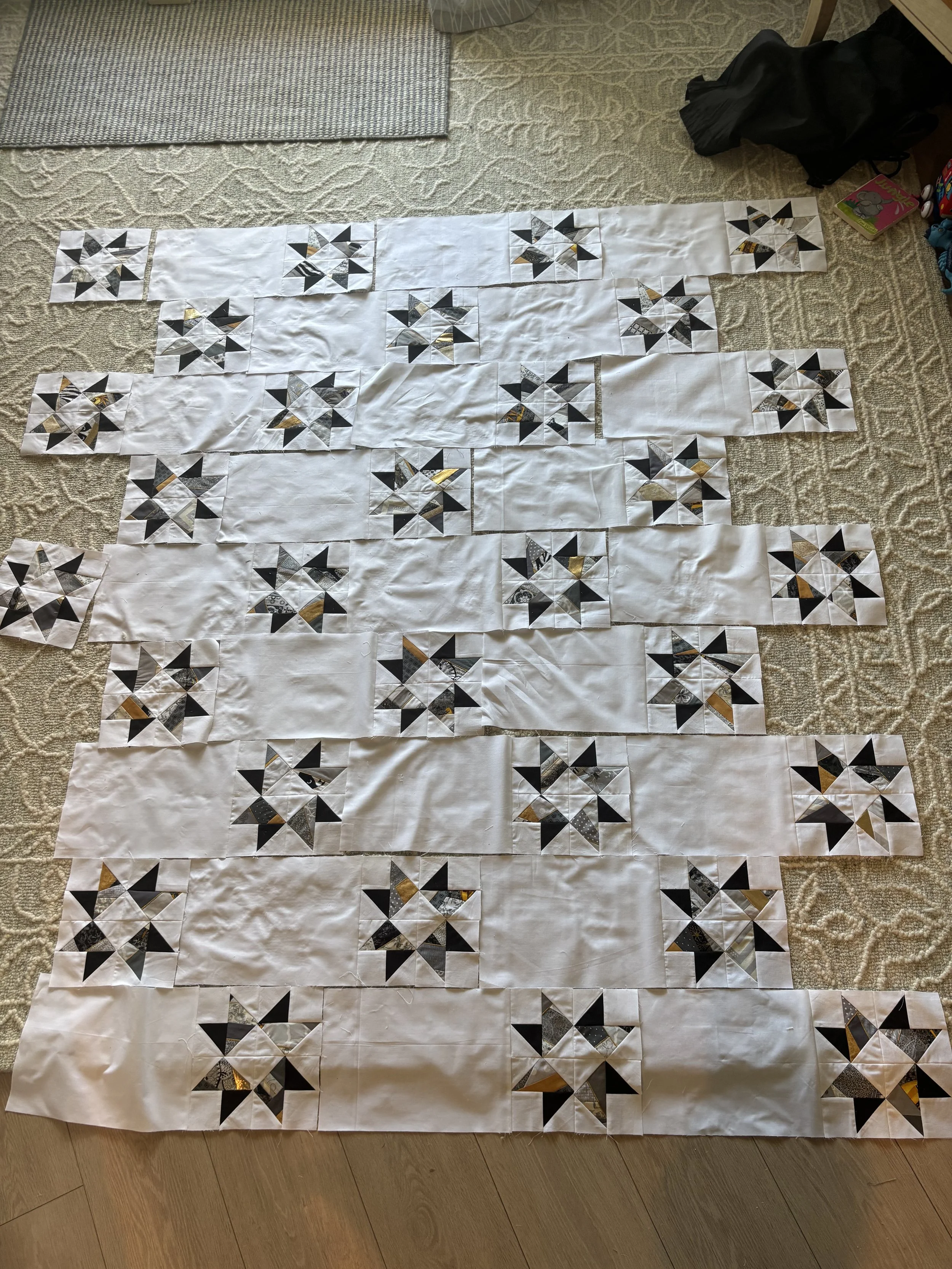
UPDATE: Broken & Beautiful is here! (Sept. 18, 2026)
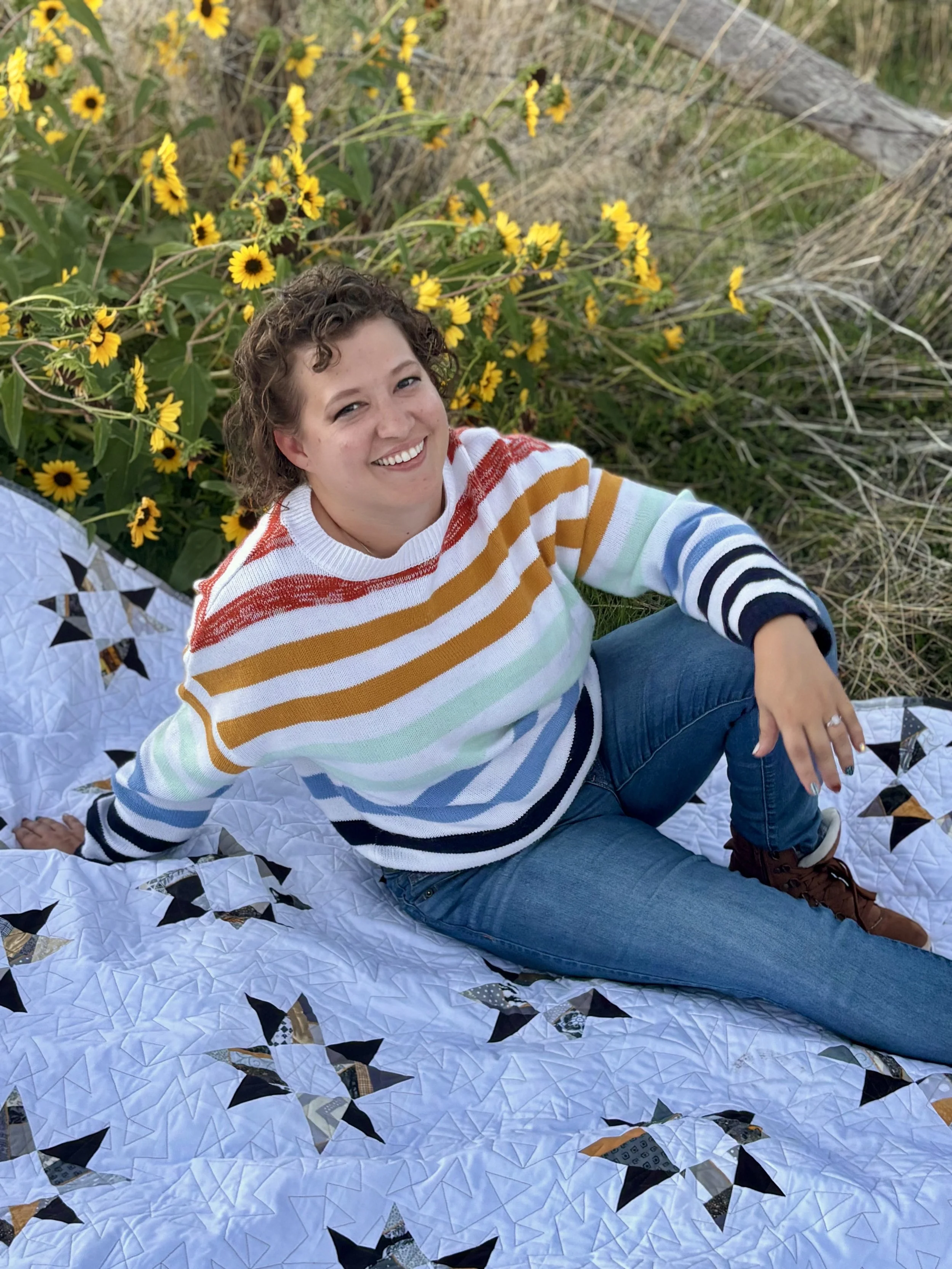
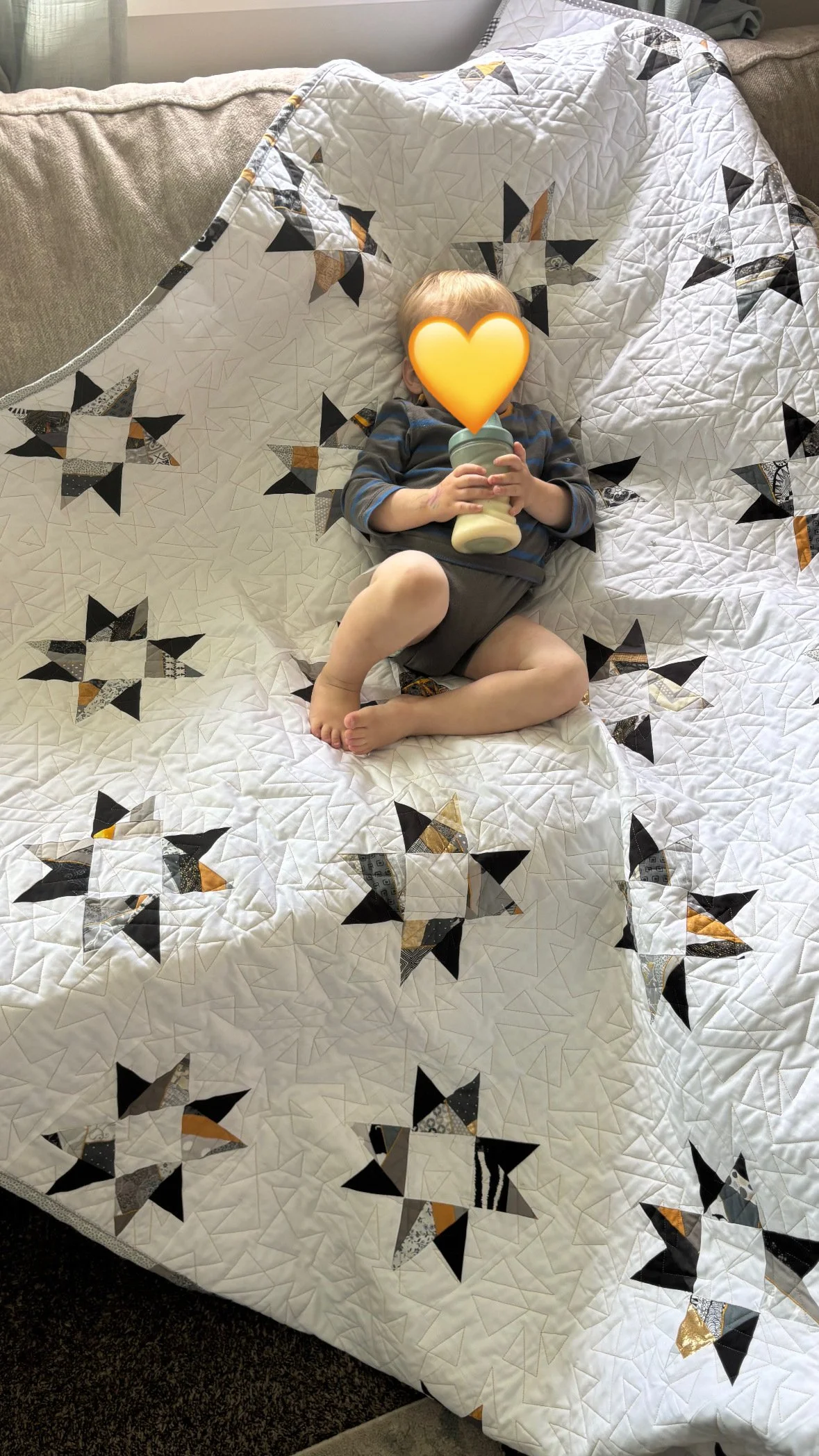
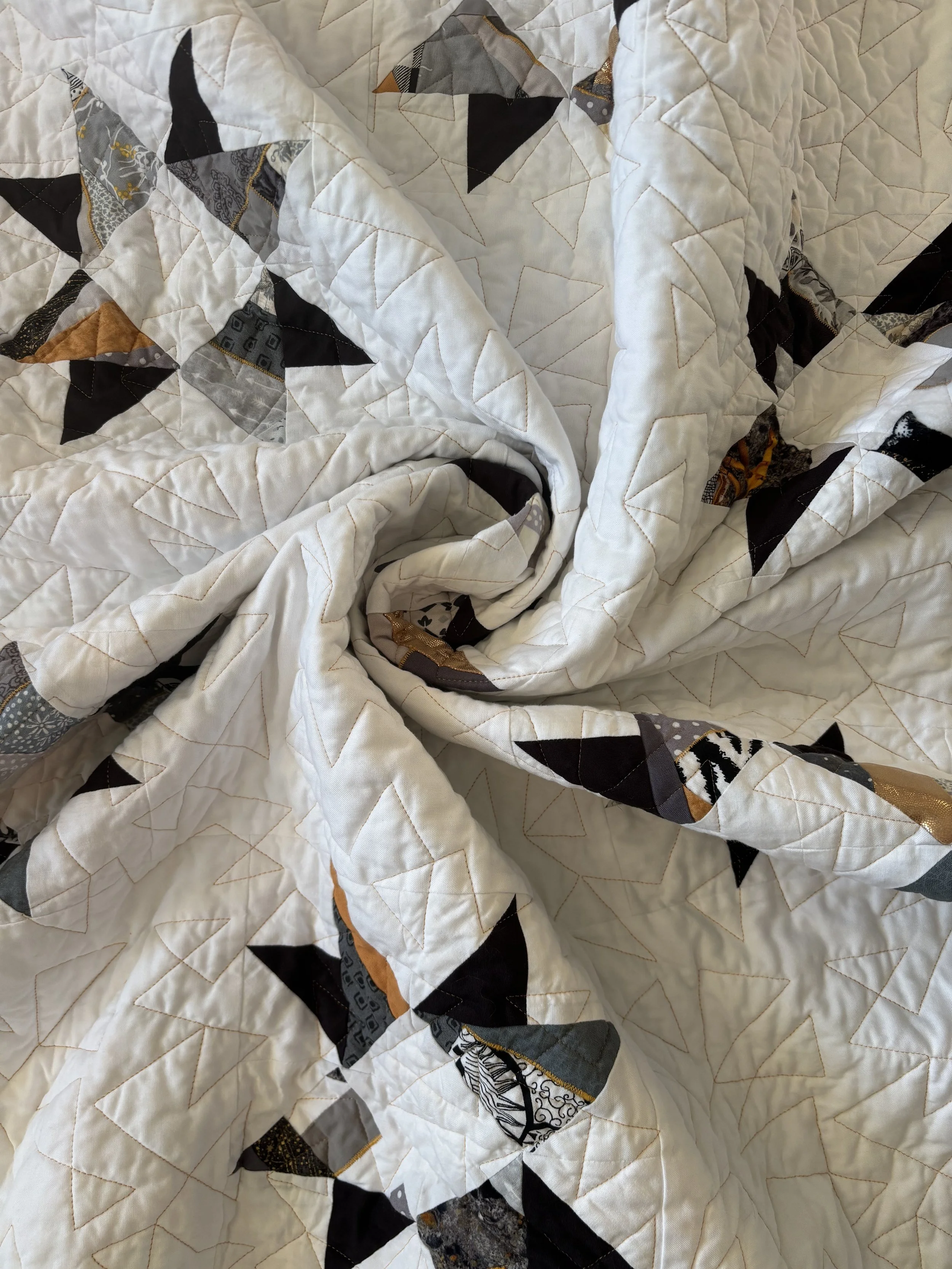
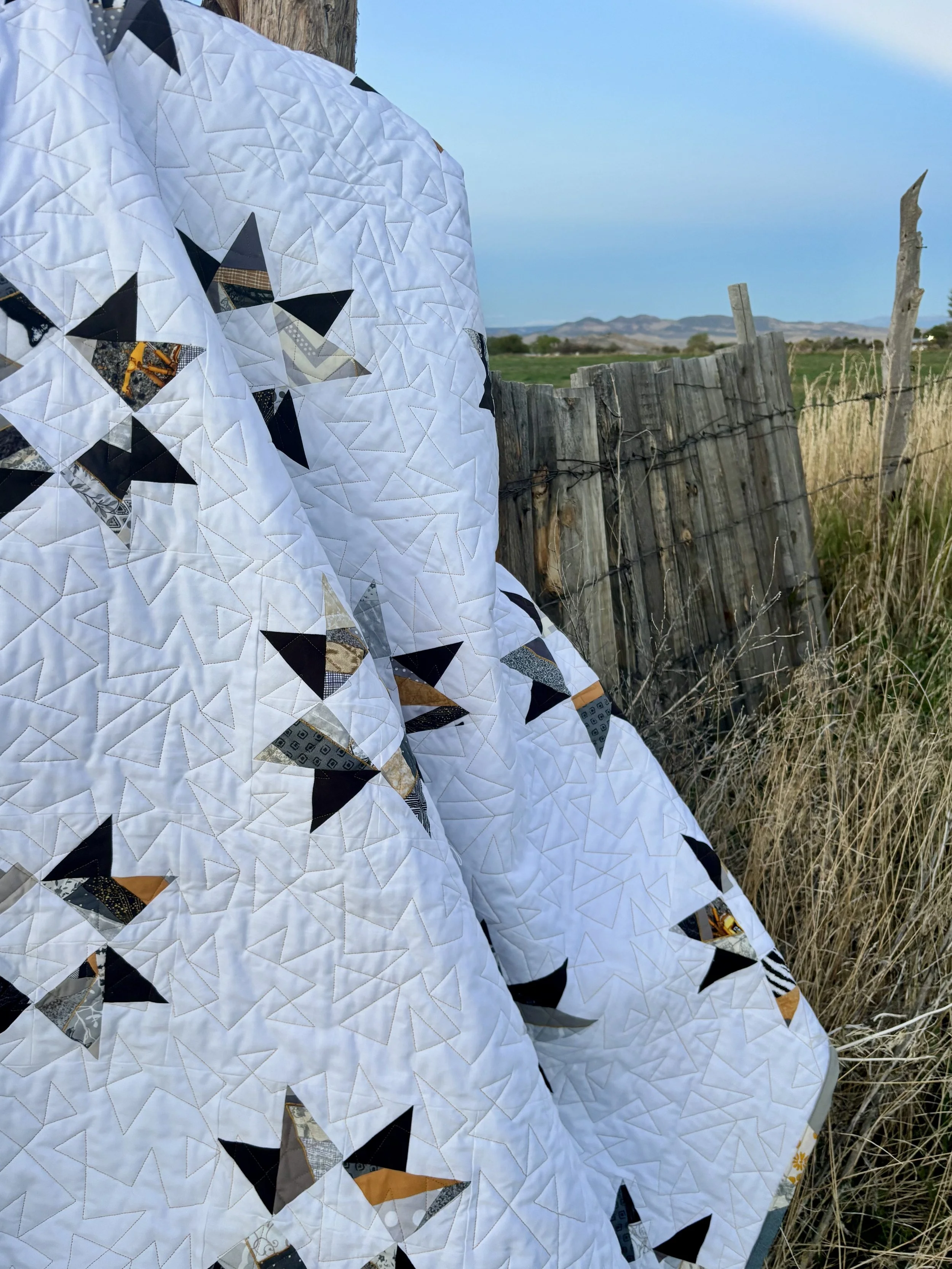
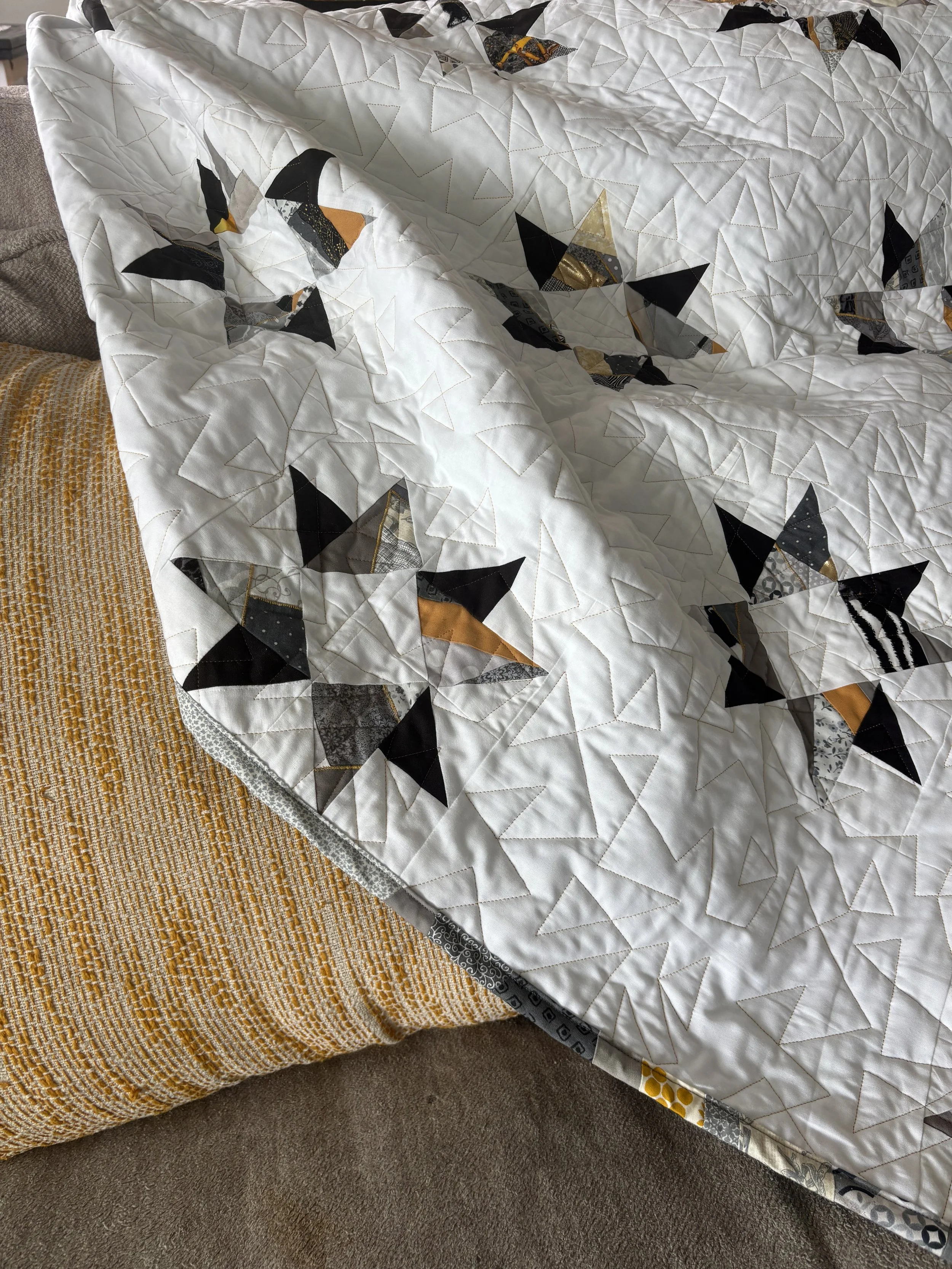
We had to wait a bit longer than we initially planned to get her back from our quilter, Lori. Lori got bombarded individually quilting bunnies on a queen sized quilt. Needless to say, it took way longer than she initially intended. We went with a gold thread that matched the yellow ochre in the blocks and a triangle pantograph. It looks amazing! Lori did such a great job, I’m a smitten kitten!
Check out the quilt pattern below!